

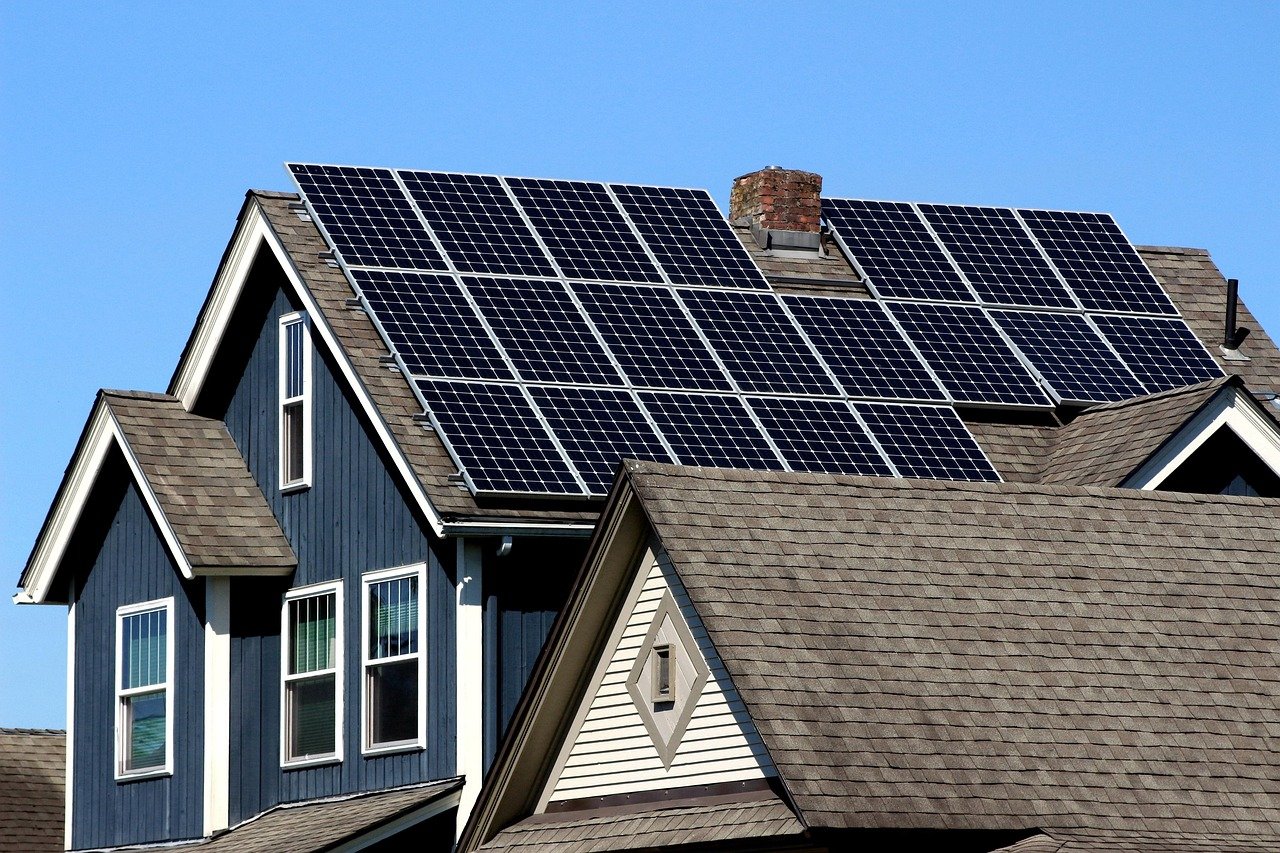
Home Energy Storage Battery Systems: Save More, Live Better, Power Smarter
•
Can home energy storage batteries really help you save money while keeping the lights on during outages?
Home energy storage battery systems allow you to store excess solar energy during the day and use it at night, reducing reliance on the grid and lowering electricity bills.
Home energy storage systems store solar energy for nighttime use, provide backup power during outages, and offer long-term savings through efficient energy management.
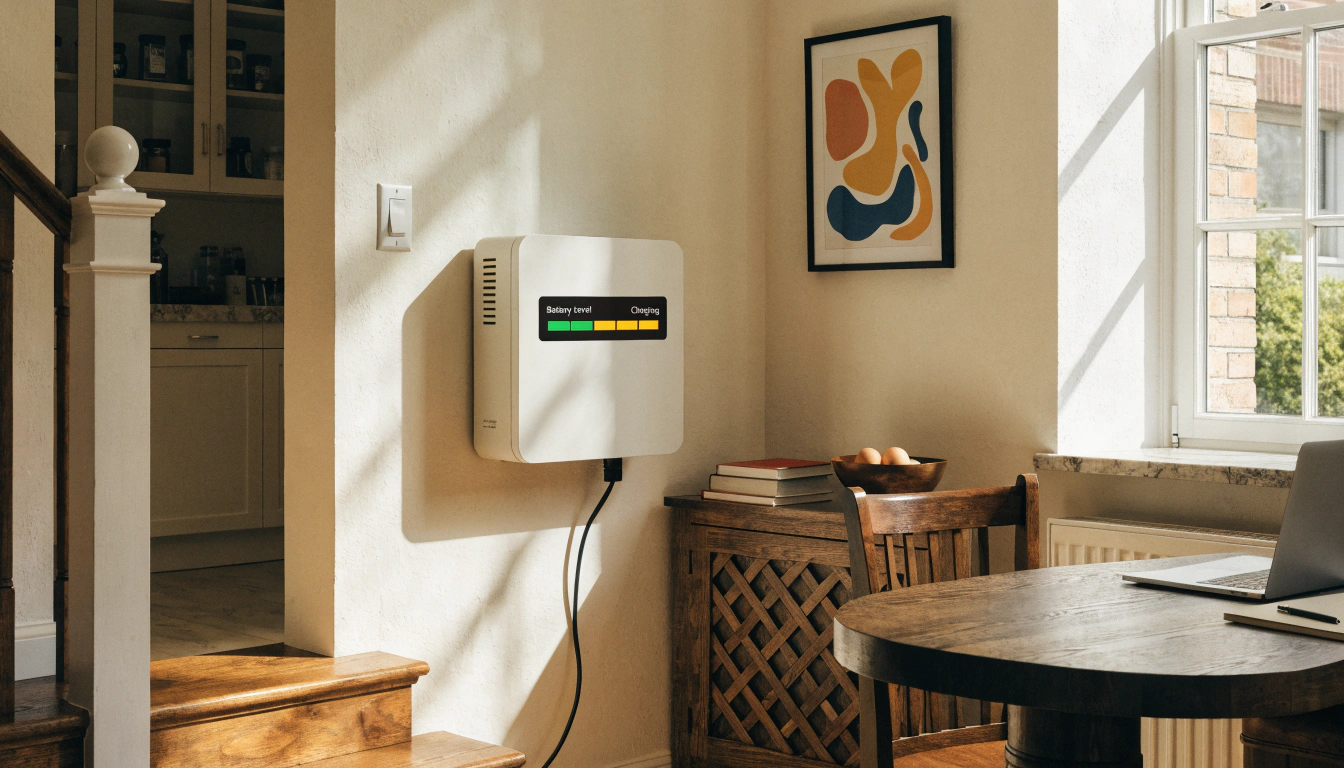
Store Energy During the Day and Use It at Night for Smarter Home Power Usage
Ever wondered how you can maximize your solar panels' potential even when the sun isn’t shining?
By storing excess solar energy in a home battery system, you can power your home at night or during cloudy days, reducing dependence on the grid and saving money.
Home energy storage batteries capture surplus solar energy during peak production, allowing homeowners to use clean energy around the clock and cut electricity costs.
How Do Home Battery Systems Work?
Home energy storage systems work by:
- Storing Excess Solar Energy: During the day, solar panels often produce more energy than a home consumes. Instead of sending it back to the grid (often at low rates), batteries store it for later use.
- Discharging When Needed: At night or during high-demand periods, the stored energy powers your home, reducing grid reliance.
- Optimizing Energy Use: Smart systems prioritize solar energy usage, minimizing grid consumption during expensive peak hours.
Key Benefits:
✔ Lower electricity bills
✔ Increased energy independence
✔ Reduced carbon footprint
Did You Know?
Homes with solar + storage can save up to 80% on energy bills compared to grid-only setups.
Automatic Backup Power During Outages for Greater Home Security
What happens when the power goes out—will your home stay lit?
Home battery systems provide seamless backup power during outages, keeping essential appliances running without interruption.
Energy storage batteries automatically switch to backup mode during grid failures, ensuring uninterrupted power for critical devices like refrigerators, medical equipment, and lighting.
Why Backup Power Matters
- No More Blackout Hassles: Unlike generators, batteries activate instantly and silently.
- Essential Appliance Support: Keeps Wi-Fi, security systems, and medical devices running.
- Weatherproof Reliability: Works in extreme conditions where generators may fail.
Real-Life Example:
During a recent storm, a homeowner with a 10 kWh battery kept their fridge, lights, and internet running for 18+ hours without grid power.
Long-Life Energy Storage Solutions Deliver Lasting Household Value
Are home batteries a worthwhile long-term investment?
Modern lithium-ion home batteries last 10–15 years, providing decades of energy savings and reliability.
High-quality energy storage systems offer durable performance, low maintenance, and scalable capacity, ensuring long-term savings and adaptability to future energy needs.
Comparing Battery Lifespans
| Battery Type | Average Lifespan | Cycles | Maintenance |
|---|---|---|---|
| Lithium-Ion | 10–15 years | 6,000+ | Low |
| Lead-Acid | 3–5 years | 1,200 | High |
Pro Tip:
Look for warranties covering at least 10 years or 10,000 cycles for the best ROI.
Conclusion
Home energy storage battery systems help you save money, gain energy independence, and ensure backup power, making them a smart investment for modern households.
Ready to take control of your energy future? Explore the best home battery options today!
Quiz: Test Your Home Battery Knowledge!
-
True or False: Home batteries can only store grid electricity, not solar energy.
- Answer: False – They store both solar and grid energy.
-
True or False: Lithium-ion batteries require frequent maintenance.
- Answer: False – They are low-maintenance compared to lead-acid.


