

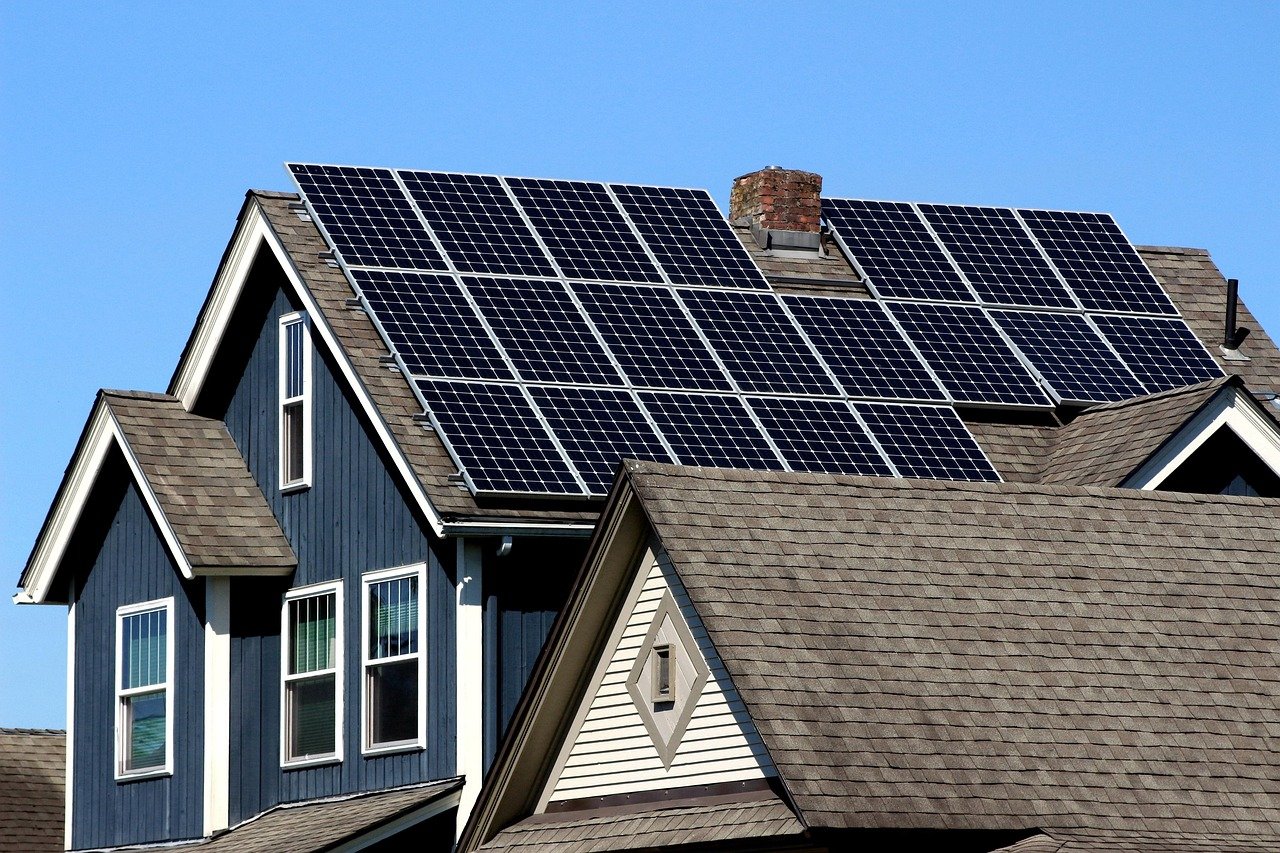
Why Kyrgyzstan Increasingly Needs Solar Power Systems?
•
Winter power shortages leave homes and businesses in the dark - but could solar be the light at the end of the tunnel?
Kyrgyzstan needs solar power systems to combat frequent winter electricity shortages, leverage abundant sunlight, and create energy independence from the unstable national grid.
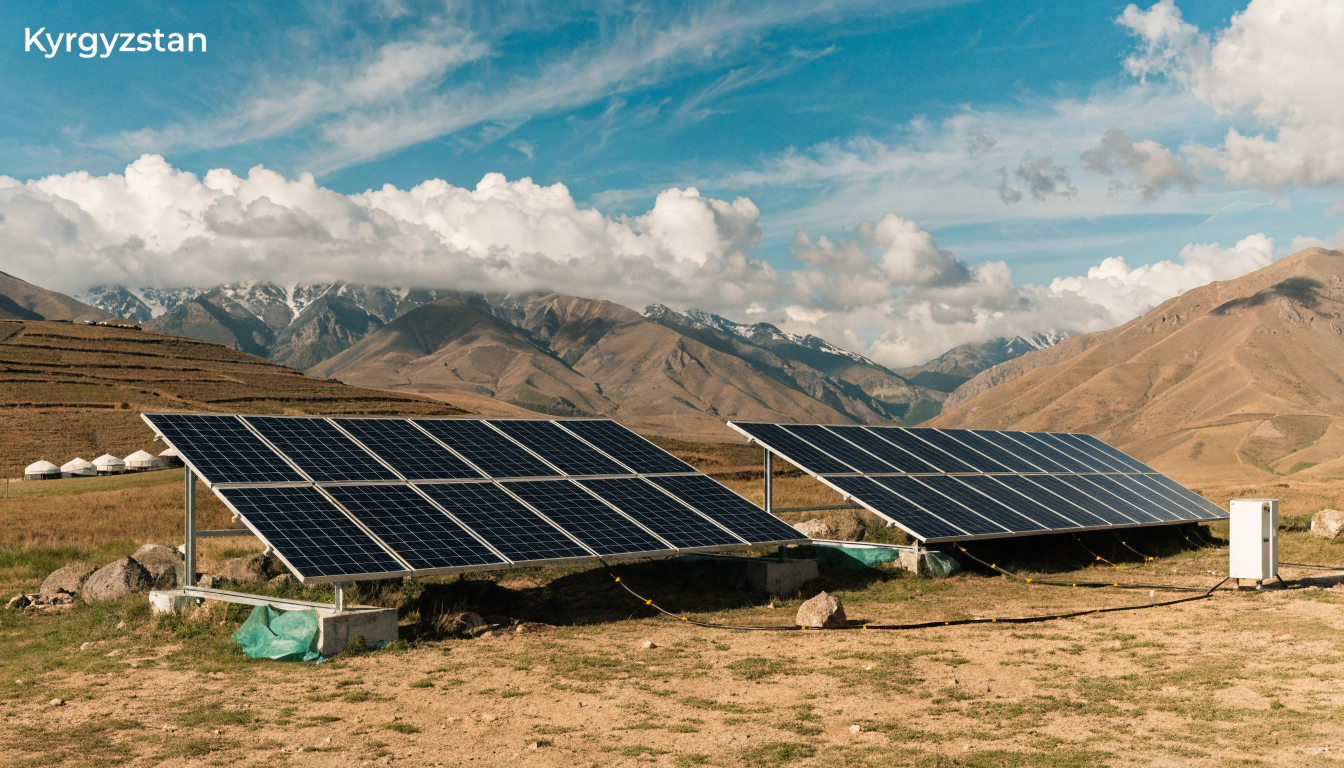
As temperatures drop each winter, power rationing becomes the norm across Kyrgyzstan. But what if there was a way to keep the lights on year-round while saving money?
Winter Power Shortages Are Driving Homes and Businesses Toward New Energy Solutions?
When the grid fails every winter, how are Kyrgyz families staying warm and businesses operating?
Winter power shortages lasting 8-12 hours daily are pushing Kyrgyzstan toward solar+storage solutions that provide uninterrupted electricity when the national grid fails.
The Depth of Kyrgyzstan's Energy Crisis
Kyrgyzstan's electricity deficit hits hardest between November-March when:
- Hydroelectric dams (providing 90% of power) freeze
- Aging Soviet-era infrastructure fails
- Residential demand spikes 40% for heating
| Problem | Solar Solution |
|---|---|
| 6-8 hour daily blackouts | Battery storage provides 24/7 power |
| Rising electricity tariffs | Solar reduces grid dependence by 70% |
| Unreliable grid voltage | Solar inverters stabilize power quality |
The 2022 energy crisis saw hospitals running on generators while families burned furniture for heat. Solar microgrids in Naryn province proved resilient, maintaining power when the national grid collapsed.
Solar Storage Systems Provide More Stable and Reliable Electricity Supply?
Why gamble with blackouts when sunlight is free and abundant?
Solar+storage systems in Kyrgyzstan deliver 99.9% uptime by storing excess daytime solar energy in lithium batteries for nighttime/winter use, outperforming the national grid.
How Solar Storage Beats the Grid
-
Daily Cycle Efficiency
- Day: Solar panels feed home + charge batteries
- Night: Batteries power essential loads
- Grid: Only used as backup
-
Winter Performance
- Properly sized systems maintain 80% capacity in -20°C
- Snow slides off angled panels (unlike flat roofs)
-
Financial Payback
- 5-7 year ROI vs rising utility rates
- 25+ year panel lifespan
"After installing solar, our guesthouse never lost power during the 2023 blackouts," says Asel K., a small business owner in Karakol. "Guests didn't even realize the grid was down."
Utilize Abundant Sunlight Resources to Reduce Dependence on the Traditional Grid?
With 300 sunny days/year, why is Kyrgyzstan still importing coal?
Kyrgyzstan's 1,750 kWh/m² annual solar potential remains largely untapped, offering homes and businesses a cleaner, cheaper alternative to unreliable grid power and expensive diesel generators.
Solar vs Traditional Energy Costs
| Energy Source | Cost per kWh | Reliability |
|---|---|---|
| National Grid | $0.03 (when available) | Unstable (daily outages) |
| Diesel Generator | $0.45 | Reliable but expensive |
| Solar+Storage | $0.12 after ROI | 99% uptime |
The government's 2023 net-metering program now allows solar owners to sell excess power back to the grid, creating new income streams for:
- Farmers with rooftop solar
- Village microgrid cooperatives
- Industrial solar parks
Conclusion
Solar power transforms Kyrgyzstan's energy crisis into opportunity - providing reliable electricity, energy independence, and long-term savings despite winter grid failures.


