

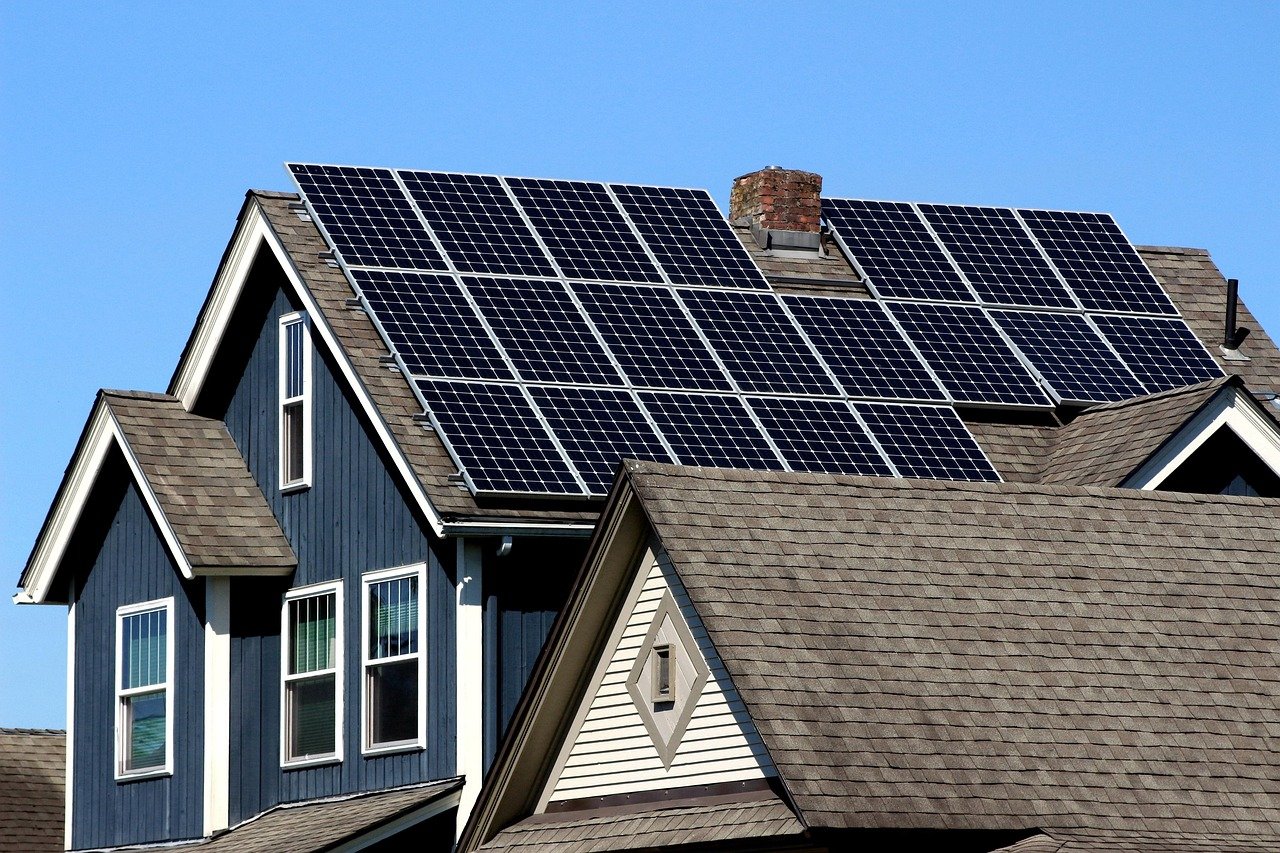
Energy Storage Battery Solutions: Reduce Operating Costs and Improve Energy Efficiency?
•
Struggling with skyrocketing electricity bills and unreliable power? Energy storage batteries might be your cost-saving game-changer.
Energy storage battery solutions help businesses reduce operating costs through peak shaving, increase solar self-consumption, and ensure stable power supply - typically delivering 20-40% energy cost savings.
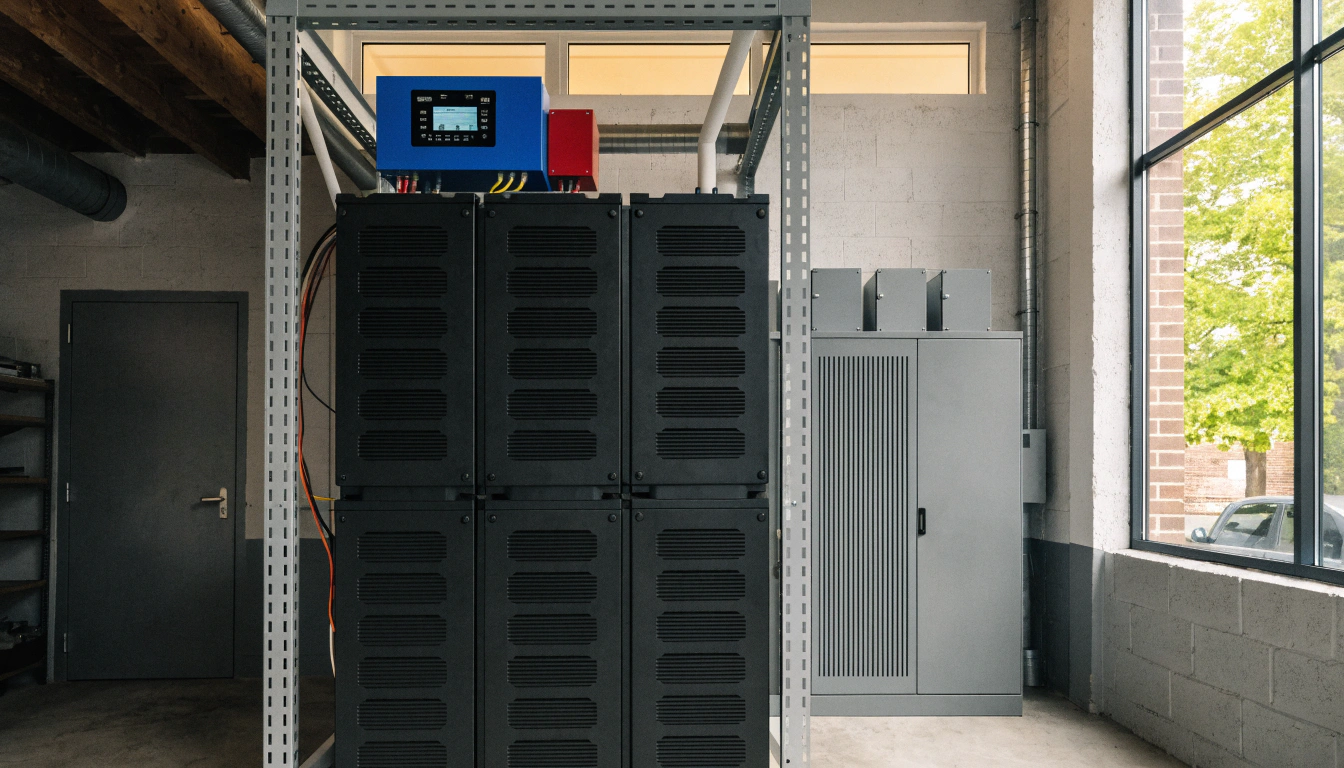
The energy landscape is changing rapidly, and businesses that fail to adapt risk falling behind. Let's explore how modern battery storage solutions can transform your energy management strategy.
Peak Shaving Strategies Effectively Reduce Expensive Business Electricity Costs?
Watching your energy bills spike during peak hours? There's a smarter way to manage these costs.
Peak shaving with battery storage reduces demand charges by discharging stored energy during high-rate periods, typically cutting 15-30% from commercial electricity bills by avoiding peak utility rates.
Understanding Demand Charges and Peak Pricing
Electricity costs aren't linear - utilities often charge 2-5x more during peak hours (usually 4-8pm on weekdays). I've seen manufacturers shocked to discover that just 15% of their energy usage accounts for 40% of their bill due to demand charges.
| Peak Rate Strategy | Typical Savings | Implementation Cost |
|---|---|---|
| Basic Load Shifting | 10-20% | $$ |
| Advanced Peak Shaving | 20-35% | $$$ |
| Solar + Storage | 30-50% | $$$$ |
Battery Sizing for Optimal Peak Shaving
Getting the battery capacity right is crucial. Too small and you won't make an impact; too large and your ROI suffers. The sweet spot is typically covering 80-90% of your peak demand.
- Lithium-ion batteries: 4-8 hour discharge ideal for most commercial applications
- Flow batteries: Better for longer duration (6+ hours) industrial needs
- Lead-acid: Only for budget-conscious, short-duration applications
Case studies show medium-sized businesses saving $15,000-$50,000 annually with properly sized systems.
Integrating With Energy Management Systems
The real magic happens when batteries communicate with your building automation. Modern EMS can:
- Predict peak periods using weather and historical data
- Automatically coordinate between generators, batteries, and load shedding
- Provide real-time cost visibility and reporting
Peak shaving requires batteries. False
While batteries are most effective, some facilities use generator load shedding or production scheduling for partial peak shaving.
Energy Storage Systems Increase Solar Self-Consumption and Reduce Energy Waste?
Solar panels generating more than you can use? That excess energy doesn't have to go to waste.
Battery storage increases solar self-consumption from 30-40% to 70-90% by storing excess daytime production for nighttime use, typically improving solar ROI by 2-3 years while reducing grid dependence.
The Solar Curtailment Problem
Without storage, excess solar energy either:
- Gets exported to grid at low feed-in tariffs (often 5-10¢/kWh)
- Gets curtailed (wasted) when grid can't accept more
I've worked with businesses losing 30-60% of their solar potential this way. Storage captures this value.
Calculating Optimal Storage for Solar
The ideal storage ratio depends on your:
- Daily consumption pattern
- Solar system size
- Local net metering policies
| Scenario | Recommended Storage |
|---|---|
| Daytime operations | 2-4 hours of average load |
| 24/7 operations | 4-8 hours of average load |
| Off-grid critical | 24+ hours of backup |
Advanced Solar+Storage Strategies
Modern systems can:
- Time-shift solar energy to higher rate periods
- Provide backup during grid outages
- Participate in grid services programs for additional revenue
Research shows commercial solar+storage projects achieving 25-35% internal rates of return in favorable markets.
Batteries always improve solar ROI. False
In areas with full retail net metering, batteries may extend payback period unless used for backup or demand charge management.
Stable Power Supply Keeps Business Operations Running Smoothly?
How much would one hour of downtime cost your business? For many, it's thousands per minute.
Energy storage provides seamless backup power (typically 4-8 hours for commercial sites) with <20ms switchover, preventing costly outages while avoiding the maintenance and emissions of diesel generators.
The True Cost of Power Interruptions
Consider these outage impacts:
- Manufacturing: $10,000-$250,000/hour
- Data Centers: $100,000-$1M/hour
- Retail/Grocery: $5,000-$50,000/hour
Battery systems protect against:
- Grid outages
- Brownouts
- Voltage sags/swells
Battery Backup vs. Generators
| Feature | Battery Storage | Diesel Generator |
|---|---|---|
| Startup Time | Instant (<20ms) | 10-60 seconds |
| Maintenance | Minimal | Extensive |
| Emissions | Zero | High |
| Noise | Silent | Loud |
| Fuel Needs | None | Constant supply |
Designing Resilient Power Systems
For critical facilities, consider:
- N+1 redundancy: Extra capacity if one unit fails
- Modular systems: Easily expandable as needs grow
- Hybrid solutions: Batteries for instant backup + generator for extended outages
The Lawrence Berkeley Lab found that storage can prevent 80% of outage-related losses.
Batteries replace all need for generators. False
While superior for short outages, most batteries still need generators for multi-day outages unless massively oversized.
Conclusion
Modern energy storage solutions deliver triple benefits: lower costs through peak shaving, increased solar utilization, and reliable backup power - typically paying for themselves in 4-7 years while future-proofing your energy strategy.
- Peak shaving study from Department of Energy [↗]
- NREL solar+storage research [↗]
- Berkeley Lab outage cost analysis [↗]
Take our Energy Storage ROI Quiz to see how much you could save.


