

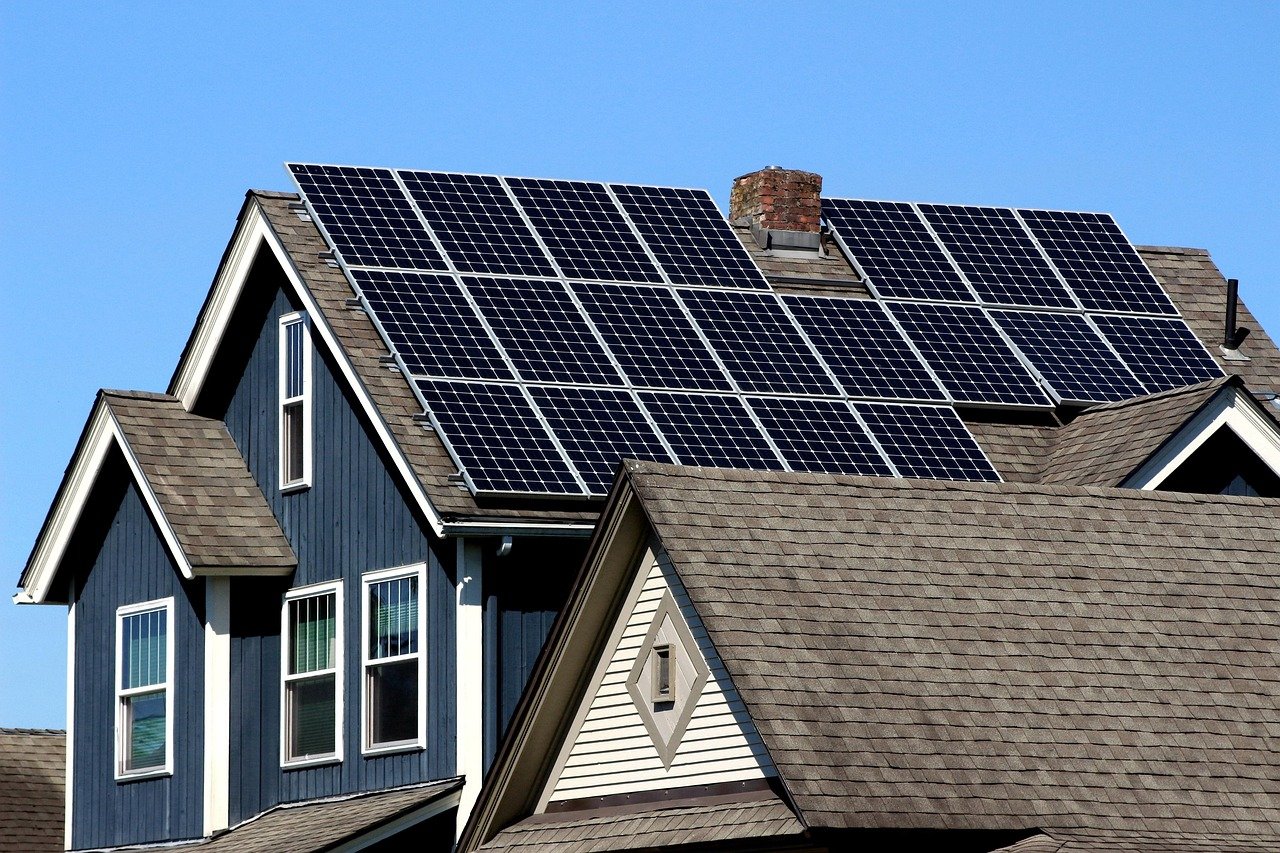
Commercial & Industrial Solar Systems: Reduce Operating Costs and Strengthen Business Competitiveness
•
Struggling with skyrocketing energy bills while competitors thrive? Solar power transforms your overhead costs into long-term savings and competitive advantage.
Commercial solar systems cut electricity expenses by 30-70% through renewable energy generation, tax incentives, and reduced grid dependence, directly boosting profit margins and sustainability credentials.
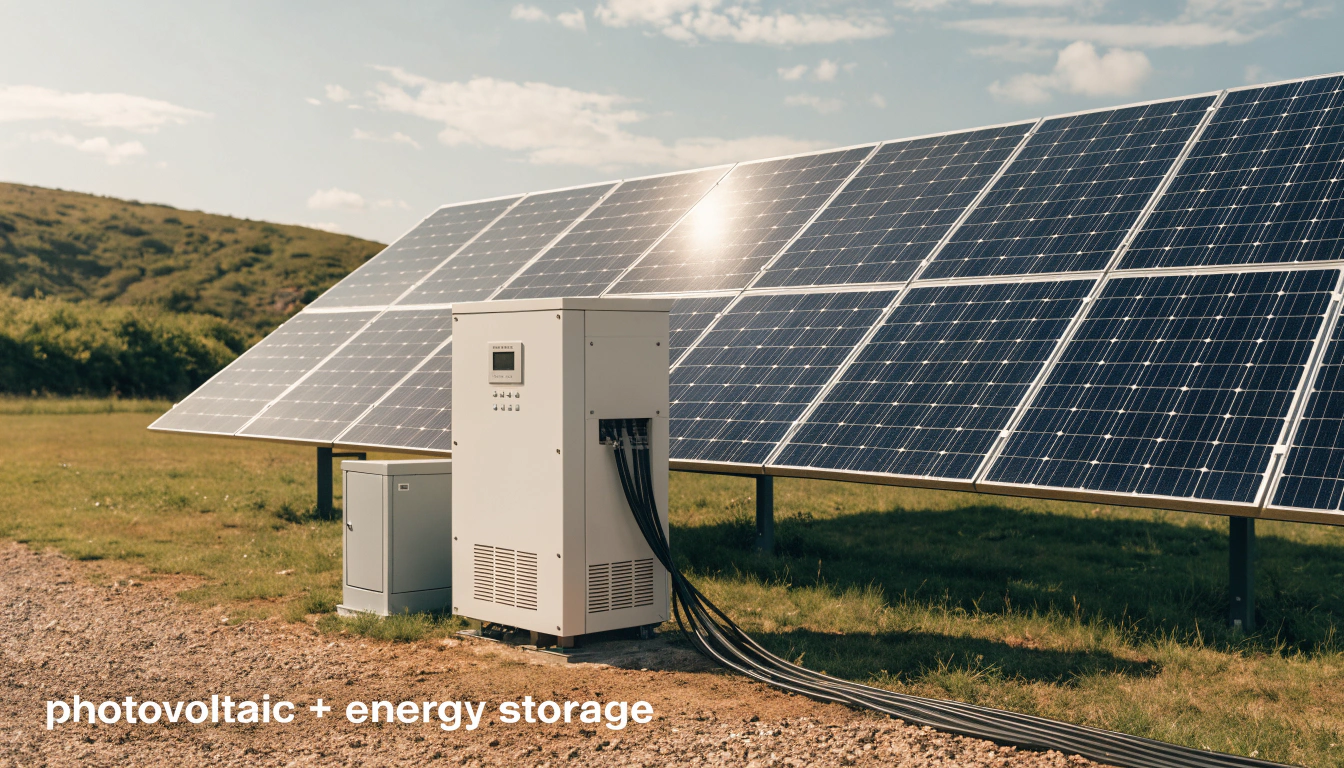
While the environmental benefits of solar are clear, the financial and operational impacts for businesses are even more compelling. Let’s explore how unused rooftops and parking lots can become profit centers.
Turn Unused Rooftop Space into a Long-Term Energy Asset
What if your empty rooftop could generate revenue instead of collecting dust?
Solar panels convert underutilized roof space into energy-producing assets, providing 25+ years of free electricity, tax benefits, and potential income through excess power sales to utilities.
Maximizing Rooftop ROI
-
Space Utilization
- Flat or angled roofs >10,000 sq. ft. are ideal for solar.
- Systems occupy ~100 sq. ft. per kW of capacity.
-
Financial Models Option Upfront Cost Long-Term Benefit Direct Purchase High Highest ROI (5-7 yr payback) PPA/Lease $0 Fixed energy rates, no maintenance -
Structural Considerations
- Modern panels add just 3-5 lbs/sq. ft. (lighter than snow loads).
- Reinforcements rarely needed for steel-frame buildings.
Case Study: A Midwest manufacturer installed 500 kW on their 60,000 sq. ft. roof, cutting annual bills by $85,000 while qualifying for 30% federal tax credit.
Reduce Electricity Expenses for Factories and Commercial Facilities
Tired of unpredictable energy costs eating into profits?
Solar + storage solutions stabilize energy budgets by locking in rates at ~$0.05/kWh (vs. utility averages of $0.12-$0.30/kWh), with peak shaving to avoid demand charges.
Cost-Saving Strategies
-
Demand Charge Mitigation
- Batteries discharge during peak hours (4-9 PM) when rates spike 300-500%.
-
Incentive Stacking
- Federal ITC (30%) + MACRS depreciation + state rebates (e.g., CA SGIP).
-
Maintenance Savings
- Solar systems require minimal upkeep (1-2% of system cost/year).
Example: A food processing plant added 1.2 MW solar + 500 kWh storage, reducing peak demand by 40% and achieving 22% IRR.
Green Energy Solutions Support Corporate Sustainability Goals
Can sustainability actually drive shareholder value?
79% of investors prioritize ESG performance, while solar installations improve brand perception, meet Scope 2 emissions targets, and future-proof against carbon regulations.
Strategic Sustainability Benefits
- Marketing Edge: 66% of consumers pay premium for sustainable brands (Nielsen).
- Regulatory Prep: Avoid carbon taxes like CA’s Cap-and-Trade program.
- Supply Chain Requirements: Walmart, Apple mandate renewable energy from suppliers.
| Table: Sustainability Metrics Improvement | Metric | Pre-Solar | Post-Solar |
|---|---|---|---|
| Carbon Footprint | 1,200 MT | 300 MT | |
| Energy Cost/Unit | $0.18 | $0.11 |
Conclusion
Commercial solar delivers triple wins: slashing operational costs, enhancing competitiveness, and achieving sustainability targets—all while turning passive assets into revenue generators.
[CTA: Get a free solar feasibility analysis for your facility →]


