

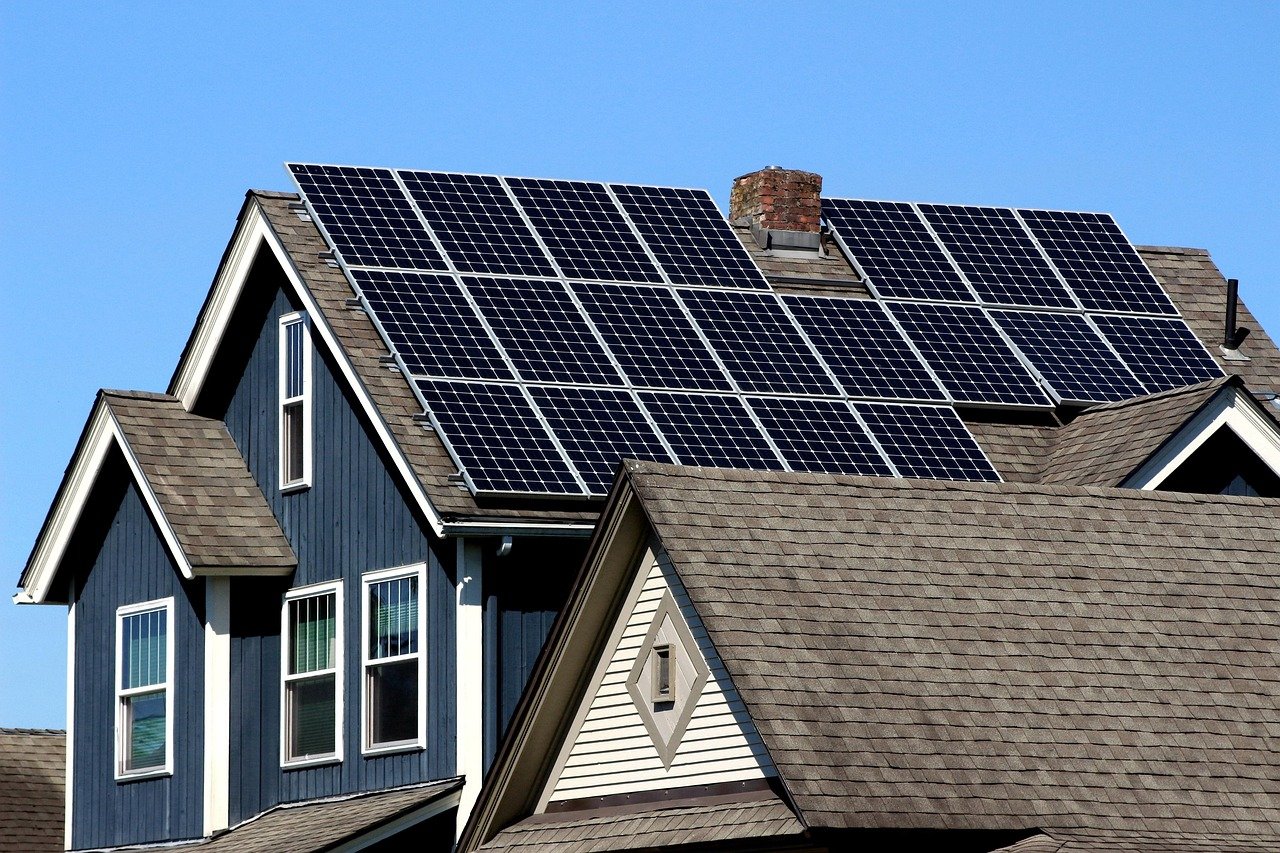
Build Your Own Energy System: Why More Customers Are Choosing Solar + Storage Solutions
•
Tired of unpredictable energy bills and unreliable grid power? Imagine taking control of your electricity—solar + storage makes it possible.
Solar + storage systems combine rooftop solar panels with battery backups, reducing grid dependence, lowering bills, and providing 24/7 clean energy—offering both savings and resilience for homes and businesses.
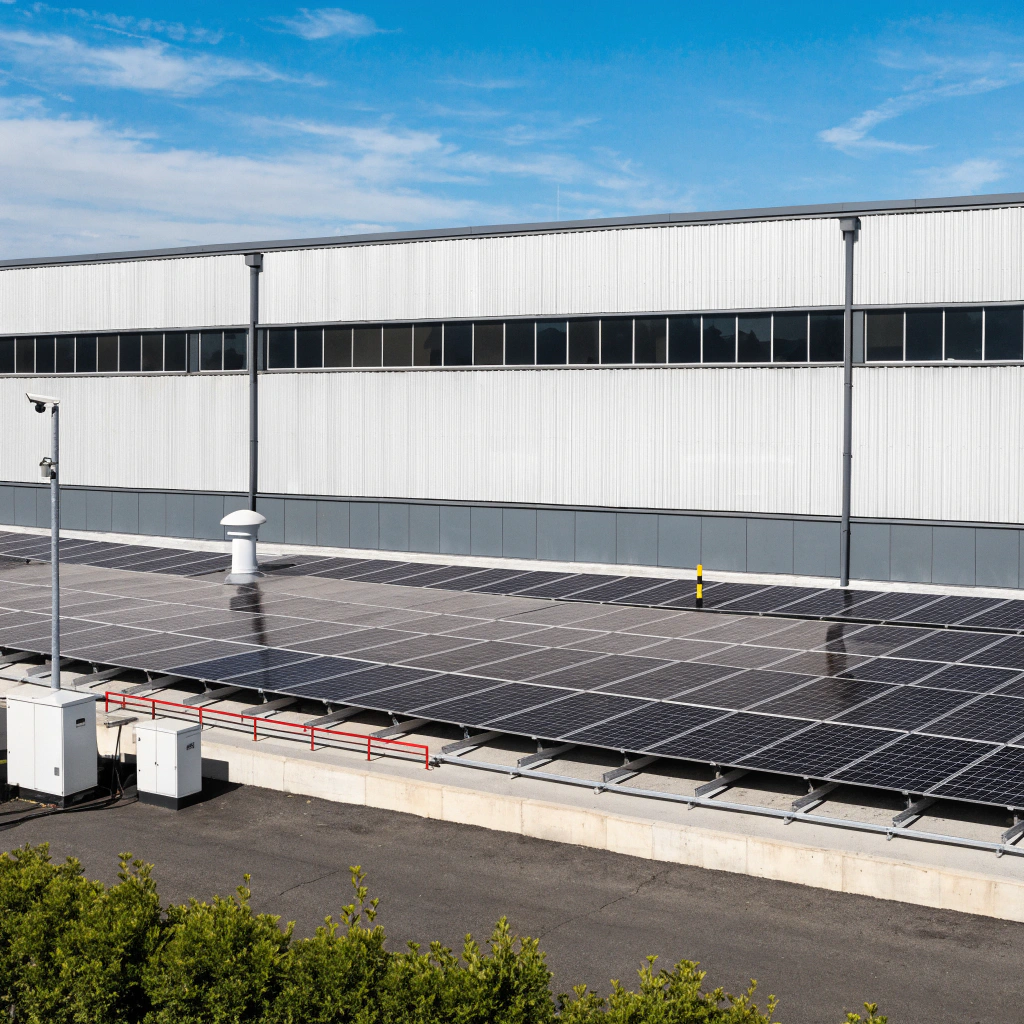
The energy landscape is shifting. Homeowners and businesses are no longer content with rising utility costs and blackout risks. Solar + storage isn’t just a trend—it’s a transformative solution. Let’s explore how it works and why it’s gaining momentum.
Reduce Grid Dependence and Take Control of Your Energy Future
Power outages left you in the dark last winter? Solar + storage ensures you’ll never be powerless again.
By pairing solar panels with batteries, you store excess energy for use during outages or peak rate times, cutting grid reliance by up to 80% and securing energy independence.
How Solar + Storage Shields You from Grid Failures
- Blackout Protection: Batteries kick in instantly during outages—no more spoiled food or frozen pipes.
- Peak Rate Avoidance: Use stored solar power during expensive peak hours (e.g., 4–9 PM) to slash bills.
- Off-Grid Potential: Remote homes or businesses can operate entirely off-grid with properly sized systems.
| Grid Dependency Level | Savings Potential | Backup Duration |
|---|---|---|
| Low (30% grid use) | 60–70% lower bills | 24+ hours |
| Medium (50% grid use) | 40–50% lower bills | 12–24 hours |
Example: A California homeowner avoided $2,400/year in peak charges by using stored solar energy during grid price surges.
Solar and Battery Storage Work Together for Reliable 24/7 Power
Think solar only works when the sun shines? Batteries turn sunlight into an always-on energy supply.
Solar panels generate power by day; batteries store excess for night or cloudy days, ensuring continuous clean energy and maximizing self-consumption.
The Technology Behind the Synergy
- Solar Panels: Convert sunlight to DC electricity (e.g., 10 kW system = ~40 kWh/day).
- Inverter: Changes DC to AC power for home use.
- Battery: Stores surplus energy (e.g., Tesla Powerwall holds 13.5 kWh—enough for overnight basics).
Critical Stats:
- Efficiency: Modern lithium-ion batteries retain 90%+ capacity after 10 years.
- Payback Period: 6–8 years with federal tax credits (26% in 2023).
Pro Tip: Pair with smart inverters (like Enphase IQ8) to enable "islanding"—self-powering during grid failures.
Lower Energy Bills and Create Long-Term Value for Homes and Businesses
Energy costs keep climbing—but what if your system paid for itself while boosting property value?
Solar + storage cuts bills by 50–100%, shields against rate hikes, and increases home resale value by 3–4% (source: Zillow). Businesses leverage tax incentives for faster ROI.
Financial Breakdown for a Typical Home
| Metric | Solar Only | Solar + Storage |
|---|---|---|
| Avg. Bill Savings/Year | $1,200 | $1,800+ |
| System Cost (After Credits) | $15,000 | $25,000 |
| Payback Period | 7 years | 8 years |
| Lifetime Savings | $35,000 | $50,000+ |
Business Case: A retailer using solar + storage avoided $8,000 in demand charges annually by flattening peak usage.
Conclusion
Solar + storage delivers energy freedom—lower bills, backup power, and long-term value—making it a smart investment for a sustainable future.


