

The Real Value of Solar Power Systems: Cost Savings, Stability, and Sustainability
•
Is solar power just an eco-friendly trend, or does it offer real financial and operational benefits?
Solar power systems provide substantial cost savings, energy stability, and sustainability, making them a smart investment for both residential and commercial users. By reducing reliance on grid electricity and offering long-term financial returns, solar energy is more than just an environmental choice—it's a financially sound decision.
While many focus on the environmental perks of solar power, the real game-changer lies in its economic advantages. Let’s dive deeper into how solar energy can transform your energy expenses and reliability.
Residential Solar + Storage: A New Era of Home Energy Independence
What if your home could generate and store its own electricity, cutting utility bills for good?
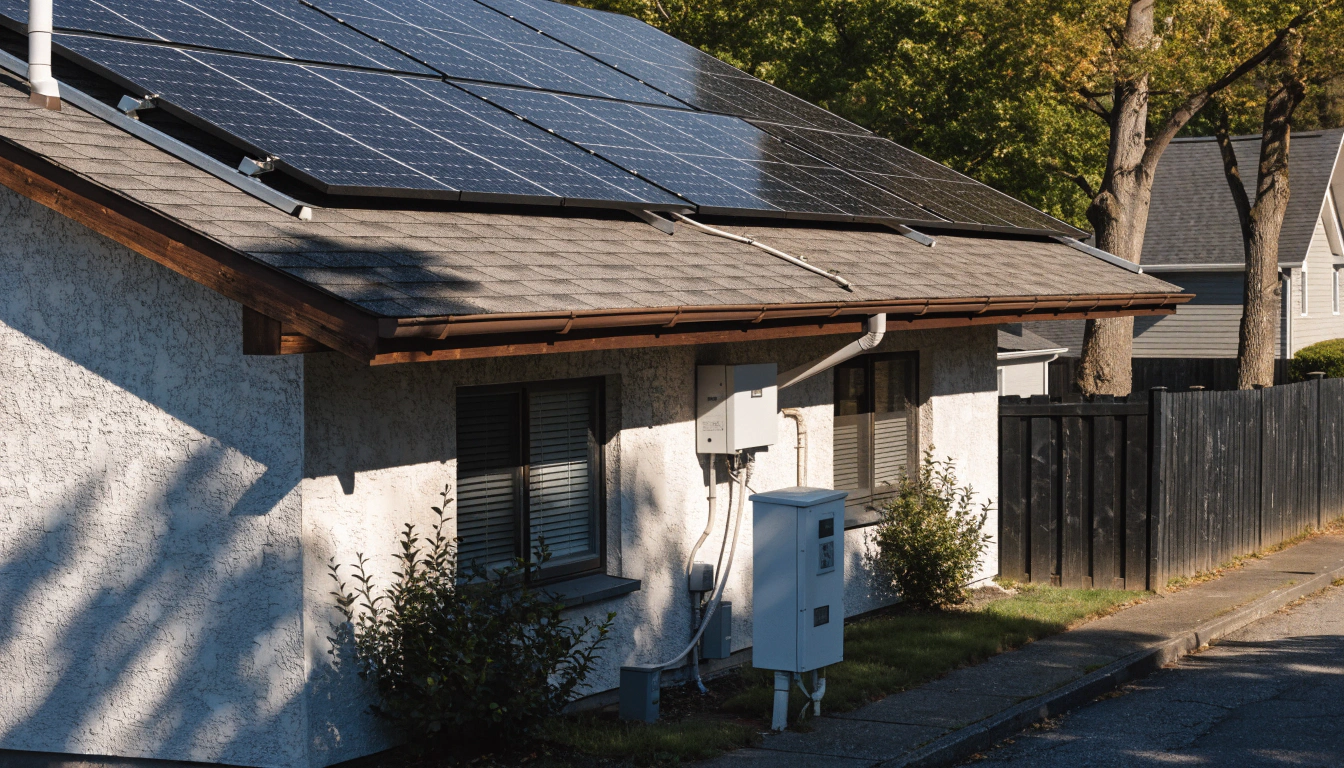
Residential solar + storage systems allow homeowners to generate and store their own electricity, reducing dependence on the grid and providing backup power during outages. This setup maximizes energy savings and enhances self-sufficiency.
How Solar + Storage Works
- Solar Panels: Convert sunlight into electricity during the day.
- Battery Storage: Stores excess energy for use at night or during outages.
- Energy Management: Smart systems optimize usage to minimize grid reliance.
Financial Benefits
- Lower Bills: Reduce or eliminate monthly electricity costs.
- Tax Incentives: Federal and state incentives can offset installation costs.
- Increased Home Value: Solar-equipped homes often sell at a premium.
By pairing solar panels with battery storage, homeowners gain control over their energy usage and costs, making it a wise long-term investment.
Commercial Solar Solutions: Reduce Operating Costs and Boost Green Competitiveness
Can businesses really cut costs while going green with solar power?
Commercial solar solutions significantly reduce operating costs by lowering energy bills and providing tax benefits, all while enhancing a company’s sustainability profile. Businesses can achieve both financial savings and a competitive edge by adopting solar energy.
Key Advantages for Businesses
- Lower Operational Costs: Solar reduces reliance on expensive grid power.
- Tax Credits & Depreciation: Businesses can claim federal tax credits and accelerated depreciation.
- Brand Reputation: Sustainability initiatives attract eco-conscious customers and investors.
Implementation Strategies
| Strategy | Benefit |
|---|---|
| Rooftop Solar | Maximizes unused space for energy generation |
| Solar Carports | Provides shade while generating power |
| Power Purchase Agreements (PPAs) | No upfront costs; pay for energy used |
For businesses, solar isn’t just about saving money—it’s about future-proofing operations and standing out in a green economy.
Zero-Emission Mobility and Microgrids: Key Components of Future Infrastructure
How will solar-powered microgrids and EVs shape the future of energy and transportation?
Solar-powered microgrids and electric vehicles (EVs) are revolutionizing energy infrastructure by enabling decentralized, clean energy distribution and zero-emission transportation. These innovations reduce fossil fuel dependence and enhance grid resilience.
The Role of Microgrids
- Energy Independence: Communities and businesses can operate off-grid during outages.
- Renewable Integration: Combines solar, wind, and storage for reliable power.
- Scalability: Can power anything from a single building to an entire campus.
Solar-Powered EVs
- Home Charging: Solar panels can power EV chargers, cutting fuel costs.
- Public Infrastructure: Solar-powered charging stations expand EV accessibility.
By integrating solar with mobility and microgrids, we’re building a cleaner, more resilient energy future.
Conclusion
Solar power systems deliver unmatched cost savings, energy stability, and sustainability, making them essential for homes, businesses, and future infrastructure. Investing in solar today ensures financial and environmental benefits for decades to come.


