

Solar + Battery Storage Solutions: Lower Energy Costs and Achieve Reliable Power Supply
•
Tired of unpredictable energy bills and power outages disrupting your life? Solar + battery storage offers a game-changing solution for homeowners and businesses alike.
Solar panel systems paired with battery storage allow you to generate clean energy during the day and store excess power for nighttime use or outages, significantly reducing electricity costs while providing backup power when you need it most.
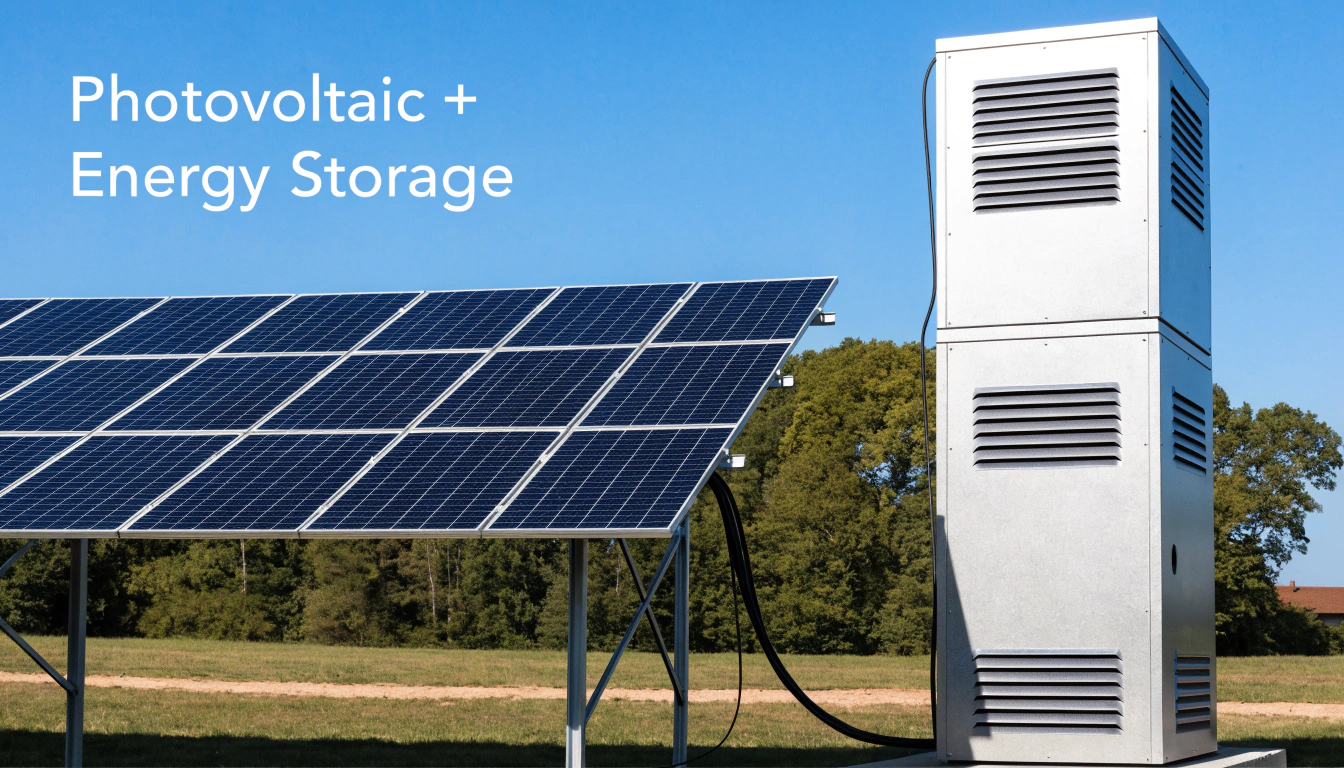
Imagine never worrying about blackouts again while watching your energy bills plummet. This powerful combination is transforming how we power our lives - let's explore how it works.
Generate Power During the Day and Use It at Night for Maximum Solar Utilization
What if you could bank sunshine like money in a savings account?
Solar batteries store excess energy produced during daylight hours for use at night, increasing solar self-consumption from 30% to 80% and dramatically reducing reliance on the grid.
How Solar + Storage Creates All-Day Energy Independence
The magic happens through these key components:
-
Solar Panel Production
- Generates DC electricity during daylight hours
- Typically produces most power between 10am-4pm
- Often creates surplus energy beyond daytime needs
-
Battery Storage System
- Stores excess solar energy instead of sending it to grid
- Converts DC to AC power for home use
- Typical capacities range from 5kWh to 20kWh
-
Smart Energy Management
- Automatically switches between solar/battery/grid power
- Prioritizes solar self-consumption
- Can be programmed for optimal cost savings
| Time of Day | Energy Source | Typical Usage Pattern |
|---|---|---|
| 6am-10am | Solar + Battery | Morning power needs |
| 10am-4pm | Solar (charging battery) | Excess to storage |
| 4pm-10pm | Battery | Evening peak usage |
| 10pm-6am | Battery/Grid | Overnight baseline |
Financial Benefits of Time-Shifting Solar Energy
By storing and time-shifting your solar energy:
- Avoid buying expensive peak-hour electricity
- Maximize solar ROI by using more of what you produce
- Qualify for additional solar battery incentives
- Protect against future rate increases
Modern systems like the Tesla Powerwall and LG Chem RESU can provide 90%+ of a home's nighttime energy needs when properly sized.
Automatic Backup Power Keeps Homes and Businesses Running During Outages
When the grid fails, will your lights stay on?
Solar battery systems provide instant, automatic backup power during outages, keeping essential circuits running for hours or days depending on system size and usage.
How Backup Power Works When You Need It Most
-
Instant Detection
- System senses grid failure in milliseconds
- Automatically isolates from grid (islanding)
- Seamlessly switches to battery power
-
Essential Load Support
- Typical systems power critical circuits:
- Refrigerators
- Lights
- Medical equipment
- Communication devices
- Larger systems can power entire homes
- Typical systems power critical circuits:
-
Duration Factors
- Battery capacity (kWh)
- Energy consumption rate
- Solar recharge capability
- Weather conditions
| Backup Power Duration Estimates | Battery Size | Typical Backup Duration |
|---|---|---|
| 10kWh | 8-12 hours essentials | |
| 20kWh | 24-48 hours essentials | |
| 30kWh+ | Multi-day whole-home |
Critical Benefits During Emergencies
- Maintains safety and comfort during outages
- Powers medical equipment for vulnerable residents
- Prevents food spoilage
- Enables continued work-from-home capability
- Provides peace of mind during storms/wildfires
New "storm watch" features on systems like Generac PWRcell automatically charge batteries to 100% when severe weather is forecasted.
Reduce Grid Dependence and Achieve Energy Independence with Long-Term Savings
Ready to break free from utility rate hikes and unreliable grids?
Solar + storage systems can reduce grid dependence by 70-90%, providing 25+ years of energy security while locking in predictable power costs as utility rates continue rising.
The Economics of Energy Independence
Upfront Costs vs Long-Term Savings
- Typical 10kW solar + 15kWh battery system: $35,000-$45,000
- Federal tax credit reduces cost by 30%
- Payback period typically 7-12 years
- 25-year savings often exceed $50,000+
| Protection Against Rising Costs | Year | Utility Rate Increase | Solar Owner Savings |
|---|---|---|---|
| 1 | 5% | $1,050 | |
| 5 | 25% | $6,500 | |
| 10 | 50%+ | $15,000+ |
Achieving True Energy Resilience
Three levels of energy independence:
-
Basic Independence
- 50-70% reduction in grid dependence
- Partial backup capability
- Good ROI in high-rate areas
-
Advanced Independence
- 80-90% reduction in grid use
- Whole-home backup
- Near-complete rate stability
-
Full Off-Grid
- 100% independent
- Requires oversized system
- Highest upfront cost
Smart energy management systems now integrate with time-of-use rates, automatically optimizing when to use stored energy for maximum savings.
Conclusion
Solar + battery storage delivers lower energy costs, reliable backup power, and energy independence - the ultimate trifecta for modern energy needs.


