

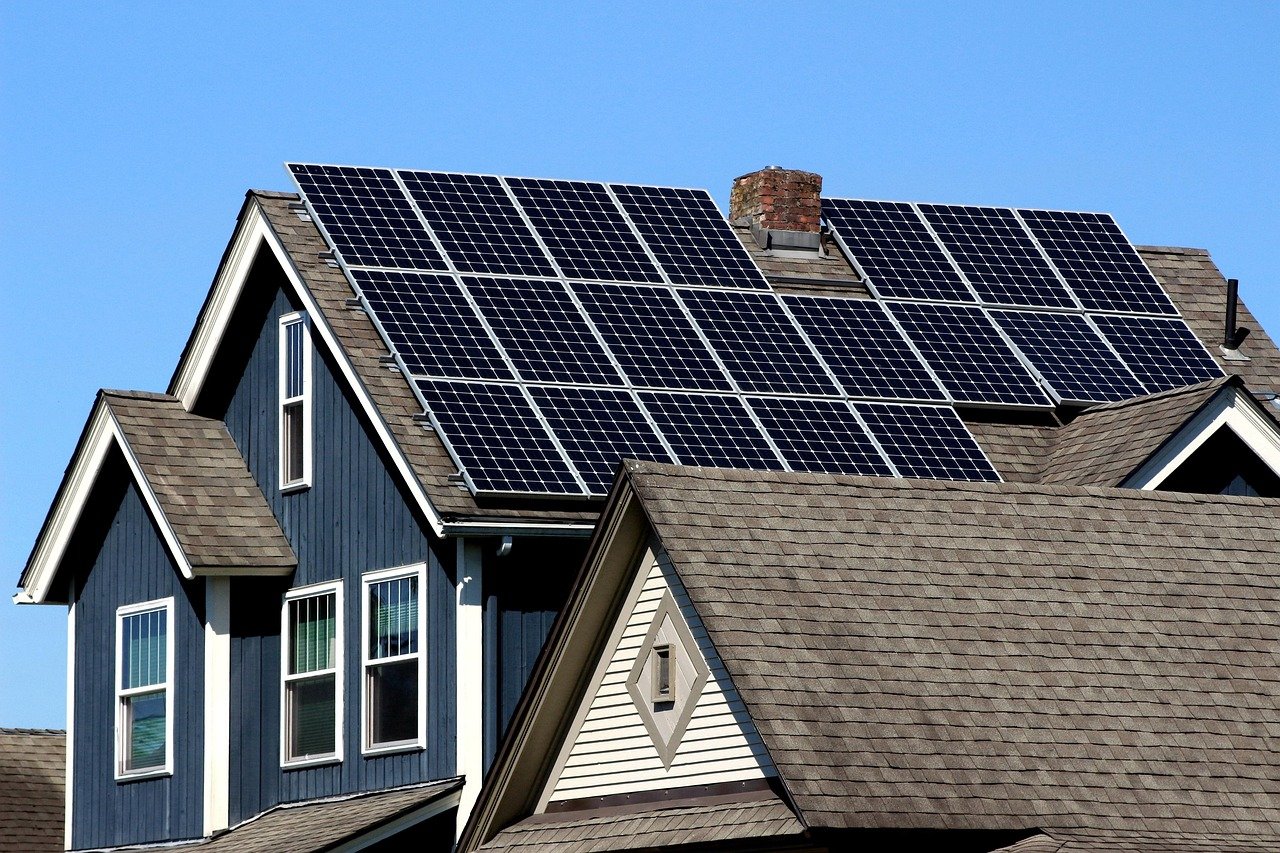
What fails in a solar inverter?
•
Solar inverters are the brains of any solar power system, but they can fail unexpectedly. When this happens, your entire solar setup stops working.
The most common failures in solar inverters involve capacitor degradation, overheating, faulty sensors, and power surges. These issues typically occur after 10-15 years of operation but can happen sooner with poor maintenance.
What drains an inverter?
Inverters work hard to convert DC to AC power, but certain conditions can drain their lifespan faster than normal.
Continuous overload, poor ventilation, voltage fluctuations, and dust accumulation drain inverters fastest. Operating above 80% capacity for extended periods causes the most stress on components.
Common Causes of Inverter Drain
| Cause | Effect | Prevention |
|---|---|---|
| Overloading | Overheats components | Size system properly |
| Poor cooling | Reduces efficiency by 15-25% | Install in shaded, ventilated area |
| Voltage spikes | Damages sensitive circuits | Use surge protectors |
| Dust buildup | Insulates heat | Clean quarterly |
I've seen inverters fail in just 3 years when installed in hot attics without proper airflow. The internal temperature sensors kept triggering shutdowns until the boards warped.
What not to do with an inverter?
Many inverter problems stem from simple user errors. Avoid these common mistakes to extend your inverter's life.
Never cover the ventilation fans, ignore error codes, use undersized wiring, or expose the unit to direct rain. These practices can void warranties and cause premature failure.
!
Critical Installation Don'ts
- Don't install near heat sources - Keep at least 3 feet from HVAC units or water heaters
- Don't stack items on top - Blocks cooling vents needed for airflow
- Don't ignore grounding - Proper grounding prevents 68% of surge-related failures
- Don't bypass safety features - Warning lights indicate real problems
Manufacturers report that about 40% of warranty claims come from installation errors that could have been avoided.What kills an inverter battery?
The battery bank is often the first component to fail in solar systems. Understanding what damages batteries helps prevent costly replacements.
Deep discharges, extreme temperatures, and improper charging kill inverter batteries fastest. Letting batteries regularly drop below 50% charge can reduce lifespan by up to 70%.Battery Failure Factors
- Temperature Extremes:
- Above 95°F increases corrosion by 2x
- Below 40°F reduces capacity by 50%
- Charging Issues:
- Undercharging causes sulfation
- Overcharging damages plates
- Usage Patterns:
- Frequent deep cycles strain components
- Long periods at low charge promote degradation
For lead-acid batteries, maintaining charge between 30-80% provides the best balance of performance and longevity.Conclusion
Solar inverters typically last 10-15 years with proper care. Avoiding overloads, ensuring good ventilation, and monitoring battery health are key to maximizing their lifespan.


