

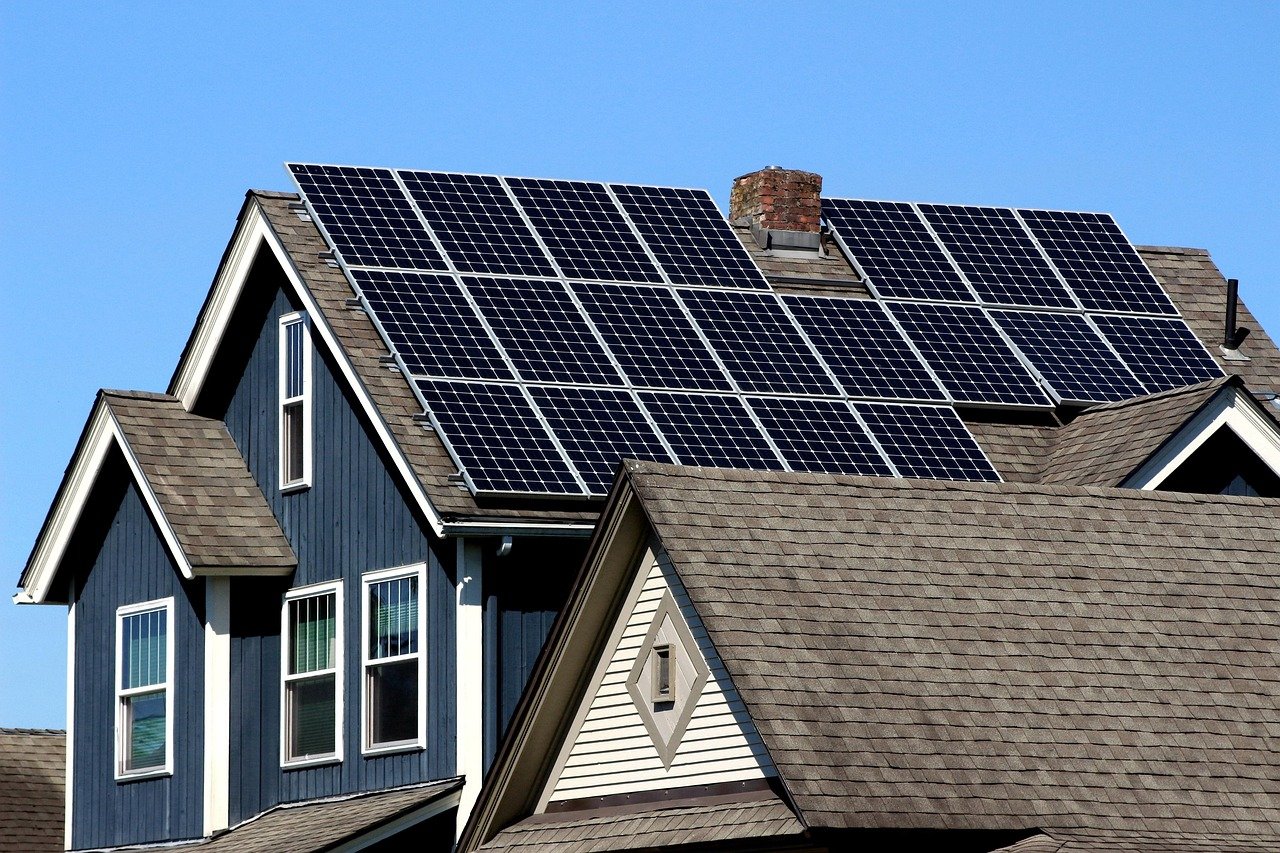
The Secret to Driving Efficient and Stable PV System Operation?
•
The Secret to Driving Efficient and Stable PV System Operation?
Solar energy is booming, but are you getting the most from your PV system? Unlock peak performance with these cutting-edge technologies.
Efficient and stable PV system operation relies on optimized MPPT algorithms[^1], advanced protection technologies[^2], and intelligent control systems[^3] that maximize energy harvest while ensuring safety and reliability.
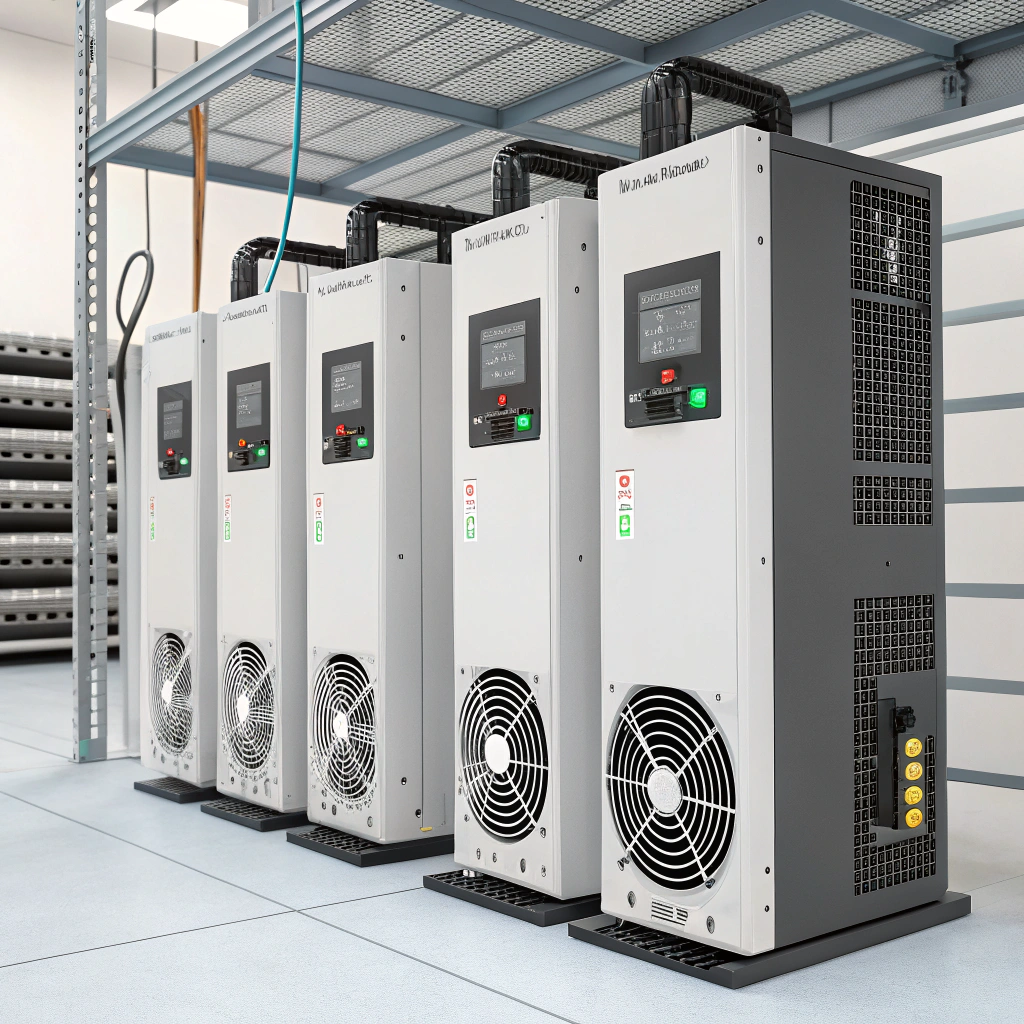
From unpredictable weather to grid fluctuations, PV systems face numerous challenges. But with the right technological solutions, you can turn these obstacles into opportunities for superior performance. Let's explore how.
MPPT Algorithm Optimization: Technological Evolution from Single-Channel to Multi-Channel?
Ever wonder why some solar systems outperform others in partial shading? The answer lies in their MPPT intelligence.
Modern MPPT algorithms[^1] have evolved from single-channel tracking to sophisticated multi-channel systems, improving energy harvest by 15-30% in partial shading conditions through parallel optimization of multiple PV string inputs.
The MPPT Technology Spectrum
Today's advanced solutions include:
-
Traditional Single-Channel MPPT
- Single input optimization
- Vulnerable to shading effects
- Limited to 95-97% efficiency
-
Dual-Channel Hybrid MPPT
- Independent string monitoring
- 5-10% better than single-channel
- Partial shade mitigation
-
AI-Powered Multi-Channel MPPT
- Real-time per-panel optimization
- Machine learning adaptation
- Up to 30% gain in complex arrays
| Technology | Channels | Shading Tolerance | Typical Gain |
|---|---|---|---|
| Single-Channel | 1 | Low | Baseline |
| Dual-Channel | 2 | Medium | 5-10% |
| Multi-Channel AI | 4+ | High | 15-30% |
Implementation Considerations
When upgrading MPPT systems:
- Evaluate your site's shading patterns
- Consider future expansion needs
- Balance cost vs performance gains
- Verify compatibility with existing inverters
Protection Technology Upgrade: Comprehensive Protection for Anti-Islanding, Overload and EMC?
What happens when the grid fails but your panels keep pumping power? Without proper protection, disaster looms.
Modern PV protection systems combine anti-islanding safeguards[^4], dynamic overload protection[^5], and advanced EMC filtering to create a 360° safety net that meets UL1741 and IEC62109 standards while maintaining uptime.
The Protection Trinity
-
Anti-Islanding 2.0
- <10ms detection time
- Active impedance measurement
- Grid-tie synchronization
-
Smart Overload Protection
- Dynamic current limiting
- Temperature-compensated thresholds
- Graceful degradation mode
-
EMC Fortification
- Triple-stage filtering
- <1% THD maintenance
- Radiated emissions control
Protection Coordination Matrix
| Threat | Solution | Response Time |
|---|---|---|
| Grid Failure | Advanced Anti-Islanding | <10ms |
| Surge Events | Hybrid MOV/GDT Protection | <1μs |
| Harmonic Distortion | Adaptive Active Filtering | <1 cycle |
Intelligent Control: Remote Monitoring, Communication Protocols and Smart Energy Management?
Imagine controlling your solar farm from your smartphone while AI optimizes every watt. This isn't future tech—it's available today.
Intelligent PV control systems leverage IoT connectivity, open protocols like SunSpec Modbus, and cloud-based analytics[^6] to deliver real-time performance monitoring, predictive maintenance, and smart energy dispatch[^7] with >99% data availability.

The Intelligent Control Ecosystem
-
Communication Backbone
- Wired: RS485, PLC
- Wireless: LoRaWAN, NB-IoT
- Hybrid mesh networks
-
Data Analytics Suite
- Performance benchmarking
- Anomaly detection
- Energy forecasting
-
Smart Integration
- ESS coordination
- EV charging sync
- Grid services ready
Protocol Comparison
| Protocol | Speed | Nodes | Best For |
|---|---|---|---|
| Modbus RTU | 19.2kbps | 32 | Small systems |
| SunSpec | 115kbps | 128 | Medium commercial |
| IEC 61850 | 100Mbps | Unlimited | Utility-scale |
Conclusion
Modern PV systems achieve peak performance through optimized MPPT algorithms[^1], robust protection systems, and intelligent controls that work in harmony to maximize energy yield while ensuring safety and reliability.
[^1]: Explore cutting-edge MPPT algorithms that enhance energy efficiency and performance in solar systems.
[^42]: Understand the importance of anti-islanding safeguards for maintaining grid safety and reliability.
[^3]: Find out how dynamic overload protection enhances the safety and efficiency of solar PV systems.


