

Smart Energy Storage Battery Solutions: Reduce Electricity Costs and Maximize Energy Efficiency
•
Struggling with skyrocketing electricity bills and inefficient energy use? Discover how smart energy storage batteries can cut costs and boost efficiency effortlessly.
Smart energy storage batteries help reduce electricity costs by storing off-peak energy and optimizing solar power usage, ensuring long-term savings and stable energy supply.
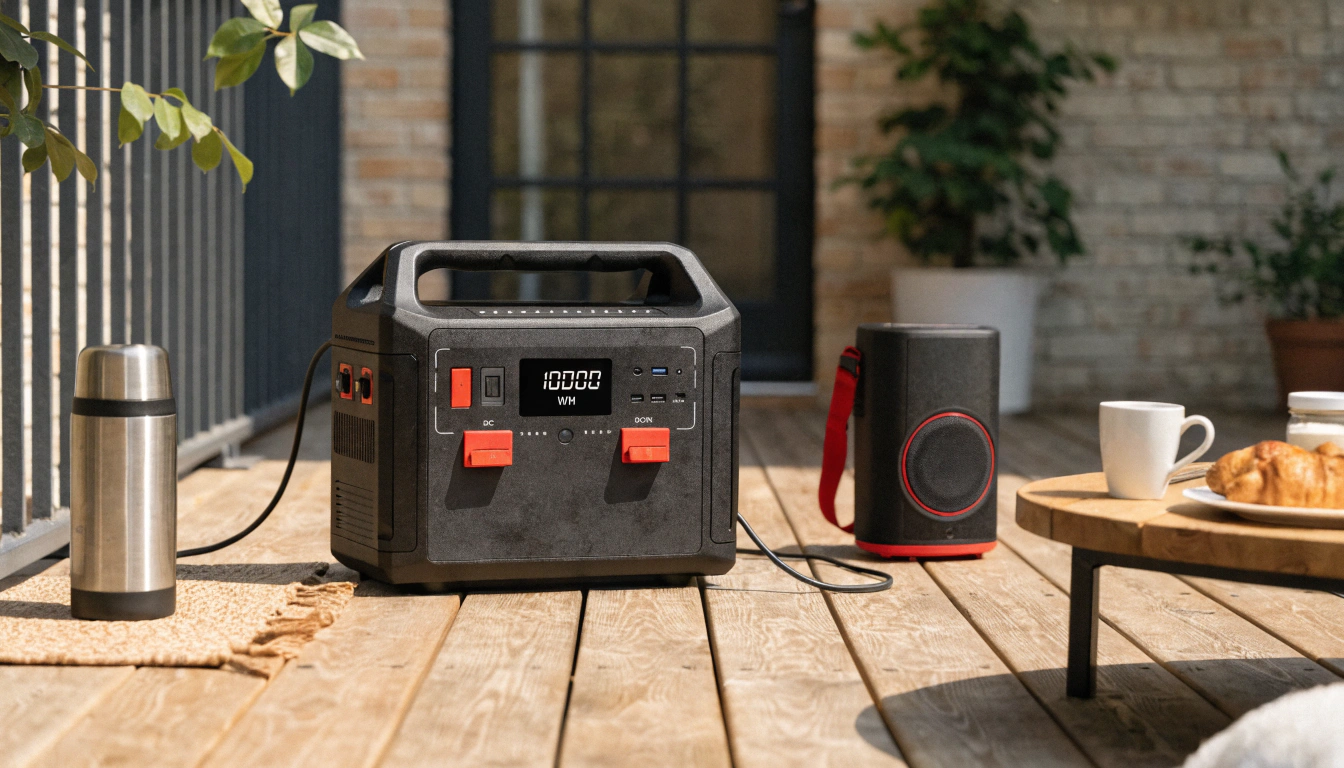
Transitioning to smart energy solutions isn’t just a trend—it’s a necessity for cost-conscious and eco-friendly households and businesses. Let’s dive into how these systems work and why they’re a game-changer.
Peak & Off-Peak Energy Management to Reduce Expensive Electricity Costs
Tired of paying premium rates during peak hours? There’s a smarter way to manage your energy consumption.
By storing cheap off-peak energy and using it during expensive peak times, smart batteries slash electricity bills by up to 50%, leveraging utility price fluctuations.
How Peak Shaving and Load Shifting Work
- Peak Shaving: Reduce grid dependency during high-rate periods by discharging stored energy.
- Load Shifting: Charge batteries during off-peak hours (e.g., nighttime) and use stored power during peak demand.
Cost-Saving Example:
| Scenario | Cost per kWh | Daily Usage | Daily Cost |
|---|---|---|---|
| Peak Hours | $0.25 | 10 kWh | $2.50 |
| Off-Peak + Battery | $0.10 | 10 kWh | $1.00 |
Pro Tip: Pair batteries with time-of-use (TOU) rate plans to maximize savings. Utilities like PG&E offer significant off-peak discounts.
Store Excess Solar Energy for Maximum Power Utilization
Why let surplus solar energy go to waste when you can harness it 24/7?
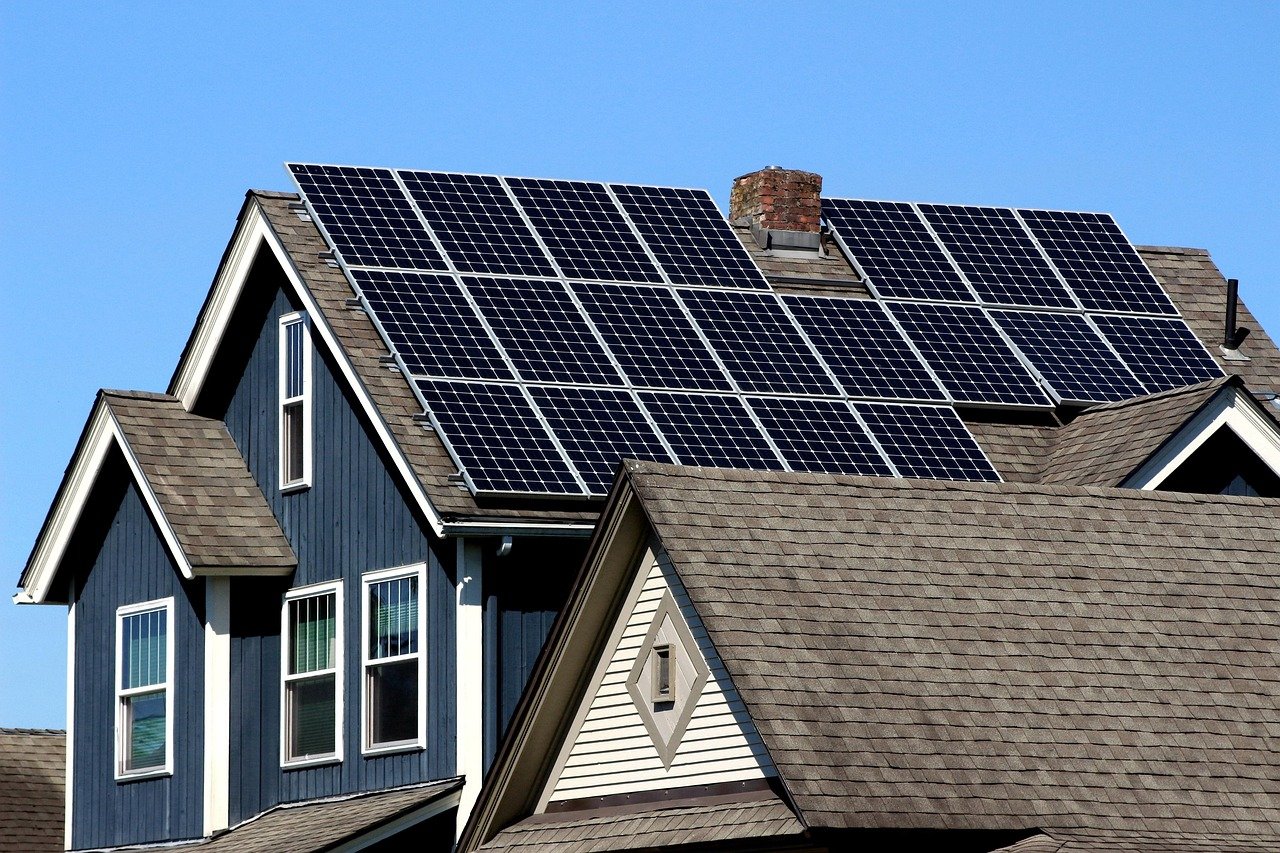
Smart batteries store excess solar power during the day for use at night or during outages, increasing solar self-consumption from 30% to 80%.
Solar + Storage: A Perfect Pair
- Daytime: Solar panels power your home and charge the battery.
- Night/Cloudy Days: Stored energy compensates for lack of sunlight.
- Grid Outages: Battery acts as a backup, ensuring uninterrupted power.
Solar Self-Consumption Boost:
| System Type | Solar Energy Used | Grid Reliance |
|---|---|---|
| Solar Only | 30–40% | 60–70% |
| Solar + Battery | 70–80% | 20–30% |
Did You Know? The Federal Solar Tax Credit covers 30% of battery costs if paired with solar.
Long-Life Lithium Battery Systems for Stable Long-Term Returns
Worried about frequent battery replacements eating into your savings? Modern lithium-ion tech lasts longer than you think.
Lithium iron phosphate (LFP) batteries offer 10+ years of service with 80% capacity retention, delivering ROI in 5–7 years through energy savings.
Why Lithium-Ion Dominates:
- Lifespan: 6,000+ cycles (vs. 1,200 for lead-acid).
- Efficiency: 95% round-trip efficiency (vs. 80% for lead-acid).
- Maintenance: Zero upkeep, unlike lead-acid batteries.
Cost Comparison Over 10 Years:
| Battery Type | Upfront Cost | Replacement Cost | Total Cost |
|---|---|---|---|
| Lead-Acid | $5,000 | $5,000 (x2) | $15,000 |
| LFP Lithium | $7,000 | $0 | $7,000 |
Industry Insight: Tesla Powerwall and LG Chem RESU lead in longevity, with 10-year warranties.
Conclusion
Smart energy storage batteries cut costs by optimizing off-peak rates, maximizing solar power, and offering durable lithium solutions—ensuring savings and sustainability for decades.


