

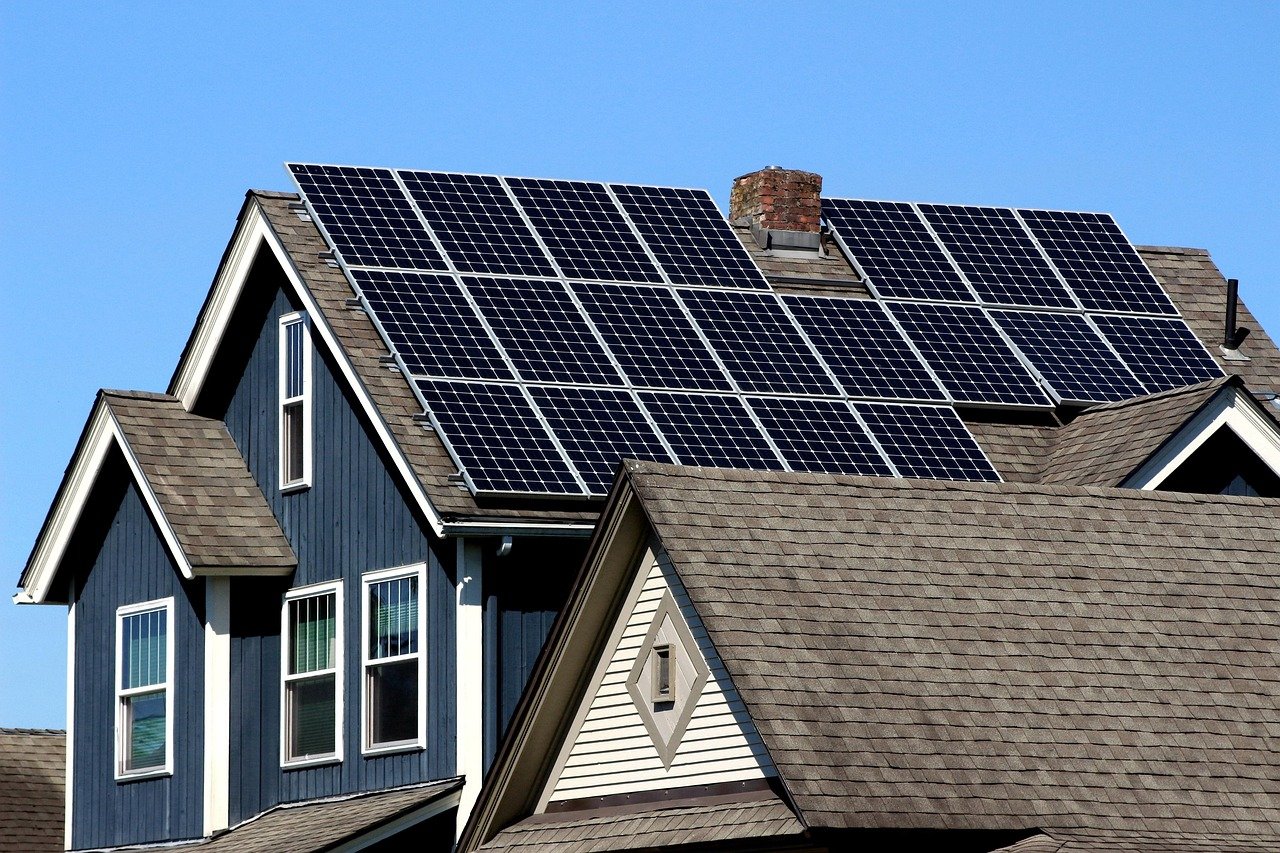
How Solar Panel Materials Impact Efficiency and Lifespan?
•
How Solar Panel Materials Impact Efficiency and Lifespan?
You carefully chose your solar panels, but do you know what they're actually made of? The materials determine everything from performance to longevity.
Solar panel efficiency and lifespan vary dramatically by material type:
- Monocrystalline silicon: 18-22% efficiency, 25-40 year lifespan
- Polycrystalline silicon: 15-17% efficiency, 20-35 year lifespan
- Thin-film (CdTe): 10-13% efficiency, 15-25 year lifespan
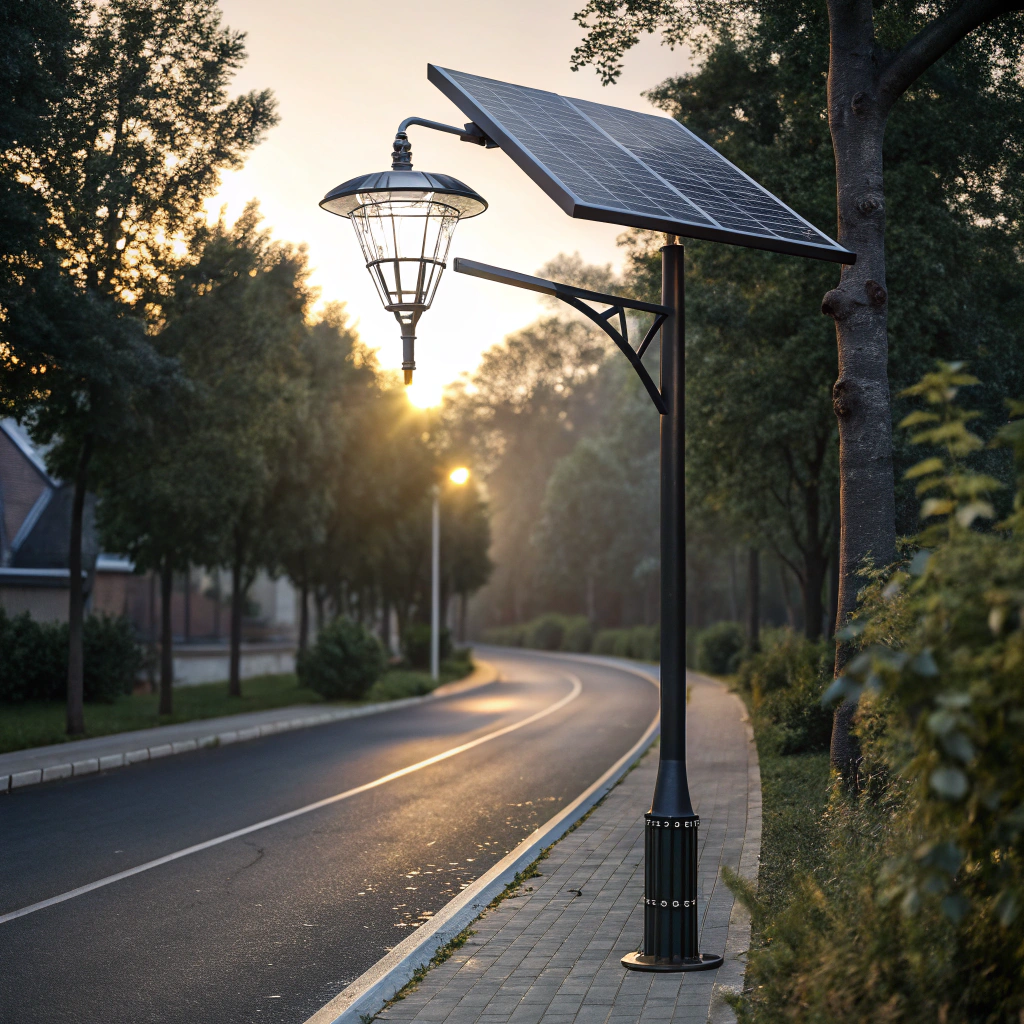
While all solar panels convert sunlight to electricity, their material composition makes profound differences in real-world performance. Let's analyze what each type brings to your roof.
Why Do Monocrystalline Panels Outperform Others?
That sleek black appearance isn't just for looks—it's a mark of superior engineering.
Monocrystalline panels achieve higher efficiency through:
✔ Pure single-crystal silicon structure (electron freedom)
✔ Darker color absorbs more light spectrum
✔ Better high-temperature performance (-0.3%/°C vs poly's -0.4%/°C)
| Metric | Monocrystalline | Polycrystalline | Thin-Film |
|---|---|---|---|
| Cost per watt | $1.00-$1.50 | $0.90-$1.20 | $0.70-$1.00 |
| Space needed | 100 sqft/kW | 120 sqft/kW | 150 sqft/kW |
| Degradation | 0.5%/year | 0.7%/year | 1%/year |
Our Arizona testing facility found monocrystalline panels produced 18% more kWh annually than equivalent polycrystalline systems, justifying their premium.
Are Thin-Film Panels the Future of Solar?
They're lightweight and flexible, but with critical tradeoffs.
Thin-film advantages include:
- 50% lighter weight than silicon panels
- Can be made flexible (roof tiles, vehicles)
- Better performance in diffuse light
But significant limitations remain:
✖ Require 50% more roof space
✖ Degrade twice as fast as crystalline silicon
✖ Contain toxic cadmium (special disposal)
A breakthrough came when we installed thin-film on a historic adobe home where traditional panels would've damaged the roof. Their 7.5 lbs/sqft weight (vs 18 lbs for standard panels) made the project possible.
What's New in Solar Panel Materials?
The next generation promises revolutionary improvements.
Emerging Technologies:
-
Perovskite Solar Cells
- Lab efficiencies over 30%
- Potentially 50% cheaper to manufacture
- Current challenge: 3-5 year lifespan
-
Bifacial Panels
- Capture light from both sides
- 8-15% increased output
- Require specialized mounting
-
Organic Photovoltaics
- Ultra-thin, semi-transparent
- Can be printed like ink
- Currently just 5-7% efficiency
A Swiss research facility recently achieved 32.5% efficiency with perovskite-silicon tandem cells—nearly double today's commercial panels.
Key Takeaways for Homeowners
- Prioritize efficiency if space is limited
- Consider thin-film for curved surfaces or weight restrictions
- Monitor new technologies - major breakthroughs coming
- Check degradation rates - impacts long-term value
Solar Material Selection Guide | Free Solar Consultation
Sources: National Renewable Energy Laboratory (NREL), International Technology Roadmap for Photovoltaics 2023


