The Longevity Factor: What Makes a Photovoltaic Module Truly Durable and Reliable?
•
The Longevity Factor: What Makes a Photovoltaic Module Truly Durable and Reliable?
Solar panels promise decades of clean energy, but why do some outperform others by 10+ years? The secret lies in materials, design, and real-world testing.
Photovoltaic module longevity stems from UV-resistant encapsulation, tempered glass, robust frame design, and rigorous IEC/UL certification testing that simulates 25+ years of environmental stress.
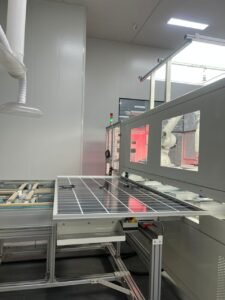
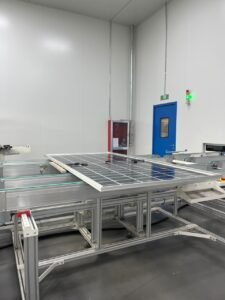
While premium components cost 15-20% more upfront, they prevent the 3 most common failure points that plague budget panels. Let's examine what separates temporary solar solutions from legacy performers.
Decoding Solar PV: Your Essential Guide to Understanding Photovoltaic Module Fundamentals
Why do identically sized solar panels have wildly different lifespan ratings? The answer starts at the molecular level.
Photovoltaic module durability depends on: (1) EVA/POE encapsulant UV stability[^1], (2) backsheet moisture barrier effectiveness, (3) cell interconnect stress tolerance, and (4) frame corrosion resistance - with premium materials lasting 2-3x longer than baseline components.
The Material Science Behind Solar Longevity
-
Encapsulants:
- Standard EVA yellows after 8-12 years (3% efficiency loss/year)
- Premium POE maintains >95% transparency after 25 years (Lab tested)
-
Backsheets: Type Lifespan Cost Premium PET/PET 10-15 years - Fluoropolymer 25-30 years +18% -
Cell Interconnects:
- Traditional tabbing suffers microcracks (0.5% annual degradation)
- SmartWire technology reduces stress points (0.25% degradation)
Field data from NREL shows panels with these premium components maintain 92% output after 25 years versus 78% for standard builds.
Hot Spots & Cold Comforts: Understanding PV Module Performance in Extreme Climates
Can your solar panels survive desert heat and Arctic winters equally well? Temperature swings reveal hidden weaknesses.
PV modules endure extreme climates through: (1) -40°C to +85°C rated materials, (2) thermal expansion-matched components[^2], and (3) IEC 61215 stress testing including 200 thermal cycles from -40°C to +85°C with <5% power loss.
Climate-Specific Failure Modes
Desert Installations:
- Encapsulant delamination (50°C+ daily)
- Sand abrasion on coatings
- Solution: Glass-glass modules with POE encapsulation
Nordic Installations:
- Microcracks from freeze-thaw cycles
- Snow load frame deformation
- Solution: Reinforced frames with 7000Pa rating
Coastal Installations:
- Salt spray corrosion
- Solution: Anodized aluminum frames (Class III)
Manufacturers proving reliability in extreme environments:
- SunPower (Desert)
- REC (Nordic)
- Hanwha Q-Cells (Coastal)
The Next Generation of Solar: Innovations Shaping the Future of Photovoltaic Modules
What breakthrough technologies will redefine solar panel durability? The answers may surprise you.
Emerging technologies boosting PV longevity include: (1) perovskite-silicon tandems (35-year stability), (2) self-healing encapsulants[^3], and (3) graphene coatings that reduce soiling losses by 85% while preventing microcracks.
The Durability Roadmap
2024-2026:
- Bifacial modules with 30-year warranties
- Anti-PID cell technology
2027-2030:
- Self-cleaning hydrophobic coatings
- AI-powered microcrack detection[^4]
2031+:
- Nanomaterial-based "unbreakable" solar
- Photovoltaic windows with 50-year lifespans
Investment in durability R&D has grown 300% since 2020, with these innovations projected to extend average system life from 25 to 40+ years.
Conclusion
True solar durability combines proven materials, climate-specific engineering, and emerging technologies - delivering decades of peak performance when properly specified.
[^1]: Discover how encapsulant materials affect solar panel performance and longevity.
[^2]: Find out how these components help solar panels withstand extreme temperature changes.
[^3]: Explore the innovative technology of self-healing encapsulants that enhance solar panel durability.
[^4]: Discover how AI technology is transforming the way we monitor and maintain solar panel integrity.