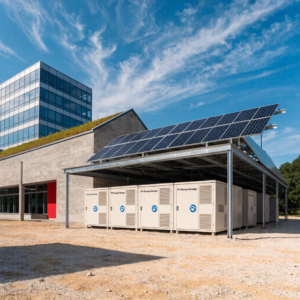
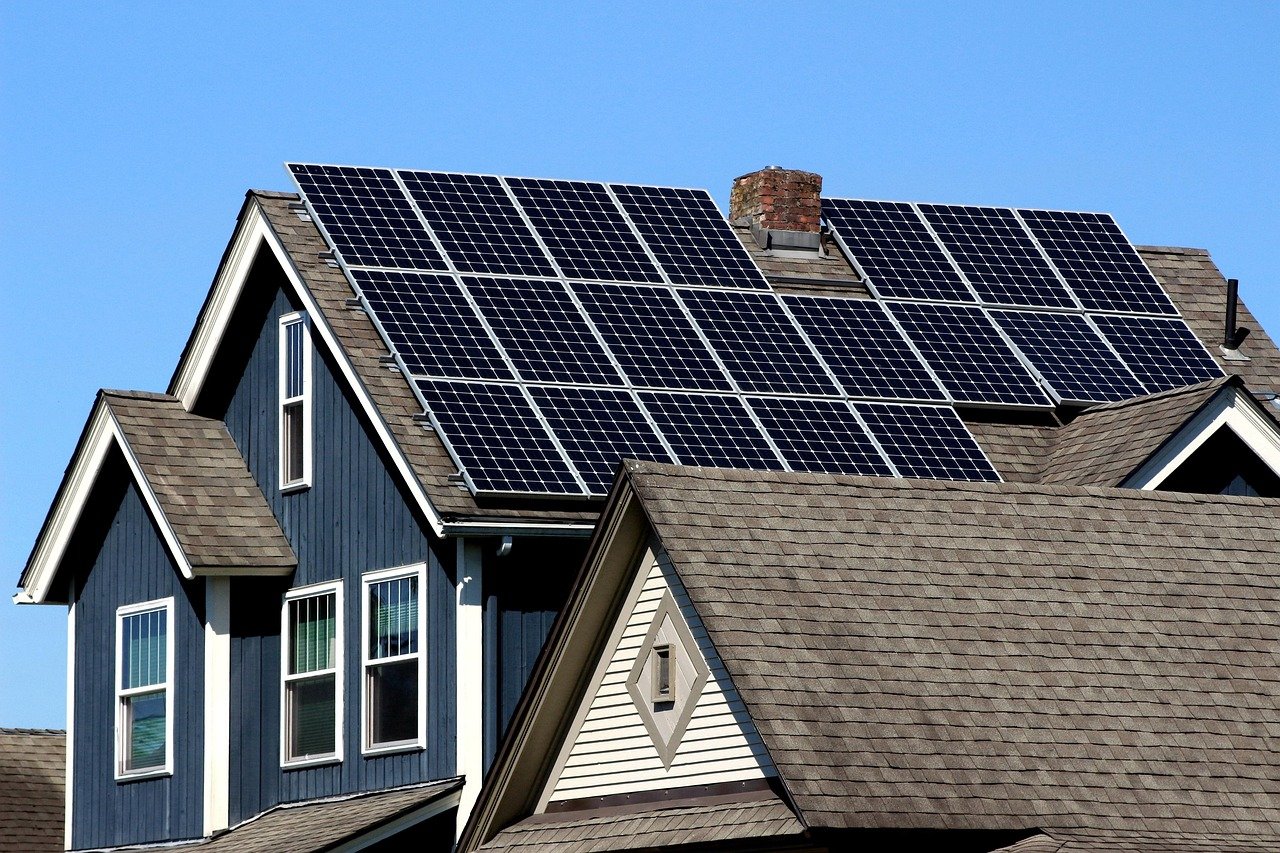
Ready for Tomorrow's Grid: Why Battery Storage is an Essential Upgrade for Resilient Energy Infrastructure?
•
Ready for Tomorrow's Grid: Why Battery Storage is an Essential Upgrade for Resilient Energy Infrastructure?
Power outages threaten modern life. Traditional grids fail when you need them most. Battery storage[^1] transforms unreliable electricity into dependable energy security.
Battery storage systems provide grid resilience[^2] by storing excess energy during normal operations and delivering power during outages, blackouts, or peak demand periods, ensuring continuous electricity supply for critical infrastructure and residential needs.
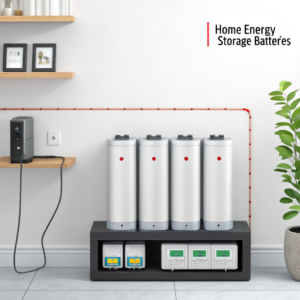
The days of crossing your fingers during storm season are over. While traditional power grids crumble under pressure, smart homeowners and businesses are discovering the game-changing benefits of battery storage systems. Let me share why this technology isn't just a luxury—it's becoming an absolute necessity for anyone serious about energy independence and reliability.
Prolong Appliance Life, Stabilize Your System: The Hidden Benefit of Battery Storage for Sensitive Electronics?
Voltage spikes destroy expensive electronics. Power fluctuations cost thousands in replacements. Battery storage provides clean, stable electricity protection.
Battery storage systems regulate voltage fluctuations and provide clean power output, protecting sensitive electronics from damage caused by grid instability, power surges, and voltage variations that can destroy appliances and electronic devices.
I've witnessed firsthand the devastating impact of power surges on modern homes. When your refrigerator, HVAC system, or computer suddenly dies after a storm, the culprit isn't always lightning—it's often voltage irregularities from an unstable grid. Battery storage acts like a premium surge protector for your entire home, conditioning power before it reaches your appliances. The pure sine wave output from quality battery systems eliminates the dirty power that shortens appliance lifespans. Consider this: replacing a high-end refrigerator costs $3,000+, while a whole-home surge can damage multiple devices simultaneously. Battery storage systems provide consistent 120V/240V output regardless of grid conditions, essentially giving your electronics the stable power diet they were designed for.
| Grid Power Issues | Battery Storage Solution | Protected Equipment |
|---|---|---|
| Voltage spikes | Regulated output | Computers, TVs, appliances |
| Frequency variations | Pure sine wave | Motors, sensitive electronics |
| Power surges | Isolation from grid | Entire electrical system |
Beyond Generator Noise & Fumes: The Clean, Quiet Backup Power Solution for Your Property?
Generators disturb neighbors with noise and fumes. Maintenance headaches never end. Battery storage delivers silent, emission-free backup power[^3].
Battery storage systems operate silently without emissions, fuel requirements, or regular maintenance, providing clean backup power that automatically activates during outages without disturbing your property or neighborhood environment.
Remember the last time your neighbor fired up their generator at 2 AM during a power outage? The deafening roar, exhaust fumes, and constant worry about fuel levels make traditional generators more trouble than they're worth. I've helped countless families transition from gas generators to battery storage, and the relief is immediate. No more midnight fuel runs, no carbon monoxide concerns, and definitely no noise complaints from neighbors. Modern lithium battery systems[^4] switch on automatically within milliseconds of detecting an outage—so fast you might not even notice the lights flickered. The maintenance burden disappears too: no oil changes, spark plug replacements, or winterization procedures. Your battery system sits quietly in the corner, ready to deliver power for 10-15 years with minimal intervention.
Generator vs. Battery Storage Comparison
| Factor | Gas Generator | Battery Storage |
|---|---|---|
| Noise Level | 60-75 dB (loud) | <40 dB (whisper quiet) |
| Emissions | CO2, CO, NOx | Zero emissions |
| Maintenance | Regular servicing required | Minimal maintenance |
| Response Time | Manual start (minutes) | Automatic (<1 second) |
Empower Remote Living: Battery Storage Makes Off-Grid Dreams a Reliable Reality, Even for Power-Hungry Needs?
Off-grid living means energy compromises. Remote properties struggle with unreliable power. Battery storage enables full-power living anywhere.
Advanced battery storage systems paired with renewable energy sources[^5] enable comfortable off-grid living by providing reliable power for high-demand appliances, electric vehicles, and modern conveniences without grid connection limitations.
Living off-grid used to mean sacrificing modern conveniences, but today's battery technology has completely rewritten those rules. I've designed systems for remote cabins that power everything from electric cooktops to Tesla charging stations, proving that location no longer limits lifestyle. The key lies in properly sizing your battery bank and understanding your energy consumption patterns. A typical off-grid home needs 20-40kWh of storage capacity, but power-hungry applications like electric heat pumps or workshop tools might require 60-100kWh systems. Pairing batteries with solar panels and backup generators creates a hybrid system that's virtually unstoppable. The beauty lies in the flexibility—you can start small and expand as needs grow. Modern lithium systems scale easily, letting you add capacity in modules. Plus, smart energy management systems[^6] learn your usage patterns, automatically optimizing when to store, use, or conserve power.
Off-Grid Power Requirements
| Application | Daily Energy Need | Recommended Battery Size |
|---|---|---|
| Basic cabin (lights, fridge) | 5-10 kWh | 20-30 kWh |
| Full home comfort | 15-25 kWh | 40-60 kWh |
| High-demand (EV, heat pump) | 30-50 kWh | 80-120 kWh |
Conclusion:
Battery storage transforms energy infrastructure from vulnerable to resilient, protecting electronics while enabling clean, quiet, off-grid living[^7] possibilities.
[^1]: Explore how battery storage enhances energy resilience and security, making it essential for modern infrastructure.
[^2]: Learn about the role of battery storage in maintaining a stable and reliable power supply during outages.
[^3]: Explore the environmental benefits of using battery storage for backup power instead of traditional generators.
[^4]: Discover the advantages of lithium battery systems in terms of performance, longevity, and scalability.
[^5]: Discover how integrating battery storage with renewable energy can enhance energy independence.
[^6]: Explore how smart energy management systems can optimize battery usage and enhance energy efficiency.
[^7]: Learn how battery storage enables comfortable off-grid living without compromising on modern conveniences.