Precision Power for Precision Agriculture: How Solar Delivers Stable Energy for Hydroponic Nutrient & Climate Control?
•
Precision Power for Precision Agriculture: How Solar Delivers Stable Energy for Hydroponic Nutrient & Climate Control?
Problem: Hydroponic farms struggle with unreliable grid power, threatening crop yields and sustainability goals in precision agriculture operations.
Solar energy provides consistent, reliable power for hydroponic systems through advanced battery storage[^1] and smart energy management, ensuring optimal nutrient delivery and climate control for maximum crop productivity.
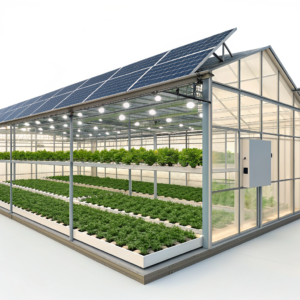
The journey toward energy independence[^2] in agriculture isn't just about cutting costs—it's about creating resilient food systems that can weather any storm while delivering the precision control that modern hydroponics demands.
Closed-Loop Efficiency: Designing an Integrated Solar-Hydroponic System for Ultimate Resource Management?
Agitation: Traditional farming wastes 70% of water while consuming massive grid energy, creating unsustainable agricultural practices.
Integrated solar-hydroponic systems optimize resource utilization through closed-loop water recycling[^3], precision nutrient delivery, and renewable energy storage, achieving up to 95% water efficiency and energy independence.
The Science Behind Closed-Loop Integration
Designing an integrated system requires understanding the symbiotic relationship between solar energy[^4] generation and hydroponic nutrient cycles. I've witnessed firsthand how proper system integration can transform energy consumption patterns. The key lies in matching energy production curves with nutrient pump schedules and climate control demands.
Solar panels generate peak power during midday when photosynthesis is most active, perfectly aligning with increased oxygen generation from plants. This natural synchronization creates opportunities for energy optimization that traditional farming can't achieve. Battery storage systems bridge the gap during low-light periods, ensuring continuous operation of critical systems like nutrient pumps and environmental controls.
The magic happens when we integrate smart controllers that monitor both solar production and plant needs. These systems automatically adjust nutrient delivery schedules based on available solar power, storing excess energy during peak production for nighttime climate control. This approach has helped farms reduce energy costs by up to 80% while improving crop yields.
| System Component | Energy Efficiency | Water Conservation |
|---|---|---|
| Solar Arrays | 22-25% conversion | N/A |
| Battery Storage | 95% round-trip | N/A |
| Hydroponic Pumps | 90% efficiency | 95% water reuse |
| Climate Control | Variable speed fans | Humidity recovery |
Weathering the Storm: Building Resilient Hydroponic Farms with Standalone Solar Power Systems?
Problem: Grid failures during extreme weather events can destroy entire hydroponic crops within hours of power loss.
Standalone solar systems with redundant battery banks[^5] and backup generators ensure continuous operation during grid outages, protecting valuable crops and maintaining optimal growing conditions regardless of external power disruptions.
Engineering Resilience Through Redundancy
Building truly resilient systems means planning for the worst-case scenarios I've encountered throughout my career in agricultural technology. A well-designed standalone solar system isn't just about having enough panels—it's about creating multiple layers of energy security that can sustain operations for days without sunlight.
The foundation starts with oversized battery banks capable of storing 3-5 days of operational power. This isn't just theoretical planning; I've seen storms knock out grid power for weeks, and farms with properly sized storage systems continued harvesting while their competitors lost entire crops. Lithium iron phosphate batteries have become the gold standard, offering 6,000+ charge cycles and superior performance in temperature extremes.
Smart load management systems automatically prioritize critical functions during power shortages. Essential nutrient pumps and root zone climate control take precedence, while supplemental lighting systems can be temporarily reduced or cycled. This tiered approach extends battery life during extended outages while maintaining plant health.
Backup generator integration provides the final safety net. Modern hybrid inverters seamlessly switch between solar, battery, and generator power without disrupting sensitive hydroponic equipment. I've implemented systems where generators only run 2-3 hours daily during extended cloudy periods, dramatically reducing fuel consumption compared to generator-only backup solutions.
The investment in resilience pays dividends beyond crop protection. Insurance companies increasingly offer reduced premiums for farms with proven backup power systems, recognizing the reduced risk of weather-related losses.
The Next Frontier: Exploring Vertical Farming & Hydroponics Powered Entirely by Renewable Solar Energy?
Agitation: Urban agriculture faces impossible land costs and energy bills that make local food production economically unviable.
Vertical farming powered by renewable solar energy transforms urban spaces into productive agricultural hubs, delivering fresh produce year-round while achieving energy independence and reducing transportation costs by up to 90%.
Maximizing Vertical Energy Efficiency
The vertical farming[^6] revolution I've been part of requires rethinking traditional solar installation approaches. Standard rooftop arrays often can't meet the intensive energy demands of multilevel growing systems with LED lighting, climate control, and continuous nutrient circulation. The solution lies in innovative solar integration strategies that maximize energy capture in limited urban spaces.
Building-integrated photovoltaics (BIPV) transform vertical farm structures into energy generators. South-facing walls become solar collectors while maintaining the controlled environment needed for crop production. I've worked on projects where translucent solar panels serve dual purposes—generating electricity while providing optimal light diffusion for plant growth.
Energy management becomes critical when powering high-intensity LED systems that can consume 30-50 watts per square foot of growing space. Advanced LED controllers now synchronize with solar production curves, automatically adjusting light intensity and spectrum based on available renewable energy. During peak solar production, systems can oversaturate plants with light, then reduce intensity during battery-powered evening hours.
Waste heat recovery from LED systems and equipment provides another efficiency layer. Heat exchangers capture waste energy for climate control, reducing the overall electrical load. In my experience, this approach can reduce heating costs by 40-60% in temperate climates.
The economics work when properly planned. While initial investment may be 20-30% higher than grid-tied operations, the combination of energy independence, premium pricing for local produce, and reduced transportation costs creates positive cash flow within 3-5 years. Urban farms I've helped design typically achieve 10-15x higher yields per square foot compared to traditional agriculture while using 95% less water and zero pesticides.
| Vertical Level | Solar Integration | Energy Density |
|---|---|---|
| Roof Systems | Traditional panels | 200W/m² |
| Wall Arrays | BIPV integration | 150W/m² |
| Growing Floors | LED optimization | 35W/ft² |
| Climate Control | Heat recovery | 15W/ft² |
Conclusion
Solar-powered hydroponics represents the future of sustainable agriculture[^7], delivering energy independence while maximizing resource efficiency for resilient food production systems.
[^1]: Discover how battery storage enhances energy reliability and efficiency in agricultural applications.
[^2]: Learn about strategies for achieving energy independence in farming through renewable energy.
[^3]: Explore the advantages of water recycling systems in promoting sustainable agricultural practices.
[^4]: Learn about the advantages of solar energy in agriculture and its role in sustainable practices.
[^5]: Find out how redundant battery banks enhance energy security in critical applications.
[^6]: Explore the innovative concept of vertical farming and its potential for urban agriculture.
[^7]: Learn about the key principles of sustainable agriculture and their importance for the future.