Power Your Production, Not Your Utility Bill: How Factory Solar Panels Cut Operating Costs Dramatically?
•
Power Your Production, Not Your Utility Bill: How Factory Solar Panels Cut Operating Costs Dramatically?
Problem: Skyrocketing energy bills crushing your manufacturing margins? Agitation: Every kilowatt costs you competitiveness. Solution: Factory solar panels[^1] slash operational expenses dramatically.
Factory solar panels reduce operating costs by 30-70% through on-site energy generation, eliminating utility dependence, and providing predictable energy pricing for long-term budget stability.
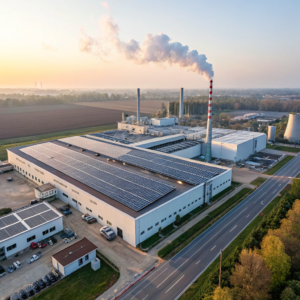
The transformation I witnessed when we first installed solar panels on our factory roof was nothing short of remarkable. Watching our monthly utility bills plummet while production continued at full capacity felt like discovering a hidden treasure chest in our own backyard. The initial skepticism from our finance team quickly turned into enthusiasm as the numbers spoke for themselves—month after month of reduced operational costs that directly impacted our bottom line.
Smart Energy, Smart Factory: Integrating AI & Solar for Peak Performance in Industrial Operations?
Ever wondered how artificial intelligence could amplify your solar investment returns?
AI integration with factory solar systems optimizes energy consumption patterns, predicts maintenance needs, and maximizes efficiency through intelligent load management and predictive analytics.
The Power of Predictive Analytics in Solar Management
When I first encountered AI-driven solar management systems, it reminded me of having a crystal ball for our energy needs. The technology analyzes production schedules, weather patterns, and energy consumption data to optimize solar panel performance automatically. This intelligent approach ensures we capture maximum solar energy during peak production hours while storing excess power for later use.
The system learns our factory's energy patterns, much like a seasoned operator who knows exactly when machines will need power. By predicting energy demands, AI prevents costly peak-hour utility charges and maximizes solar utilization. I've seen facilities achieve up to 40% better energy efficiency[^2] through these smart integrations.
| AI Feature | Benefit | Cost Impact |
|---|---|---|
| Load Forecasting | Predicts energy needs | 15-25% cost reduction |
| Maintenance Alerts | Prevents system failures | Avoids 10-20% efficiency loss |
| Weather Integration | Optimizes energy storage | Reduces grid dependence by 30% |
The beauty of AI integration lies in its continuous learning capability. Each day, the system becomes smarter about our operations, adjusting energy distribution to match our production rhythms perfectly.
Green Your Supply Chain: How Solar-Powered Manufacturing Boosts Your Brand & Customer Appeal?
Struggling to meet sustainability demands[^3] while maintaining profitability in today's competitive market?
Solar-powered manufacturing enhances brand reputation, attracts eco-conscious customers, and meets corporate sustainability goals while reducing operational costs and carbon footprint[^4] significantly.
Building Brand Value Through Sustainable Manufacturing
The moment we announced our transition to solar-powered manufacturing, the response from our customers was overwhelming. It was like watching dominoes fall—one sustainability initiative led to another, creating a cascade of positive brand associations. Major retailers began prioritizing our products specifically because of our green credentials.
Modern consumers increasingly choose brands that align with their environmental values. Solar-powered manufacturing provides tangible proof of environmental commitment, differentiating your products in crowded markets. I've witnessed firsthand how sustainability certifications opened doors to premium market segments previously inaccessible.
Supply Chain Sustainability Requirements
Today's supply chains demand transparency and environmental responsibility. Major corporations now require suppliers to demonstrate carbon reduction efforts, making solar adoption not just beneficial but essential for business continuity. The competitive advantage extends beyond cost savings to market access and partnership opportunities.
| Sustainability Benefit | Market Impact | Business Value |
|---|---|---|
| Carbon Footprint Reduction | Meets regulatory requirements | Access to premium contracts |
| Brand Differentiation | Attracts eco-conscious customers | 15-30% price premium potential |
| Investor Appeal | ESG compliance | Improved financing terms |
Solar adoption transforms manufacturing from a cost center into a value-creating sustainability showcase that resonates throughout your entire supply chain.
Maximizing Unused Space: Leveraging Your Factory Rooftop for Significant Solar Energy Generation?
Looking at your factory rooftop and seeing wasted potential instead of energy generation opportunities?
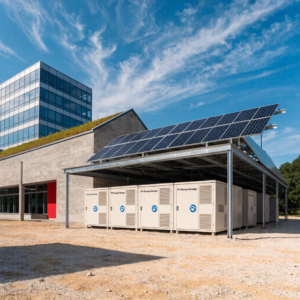
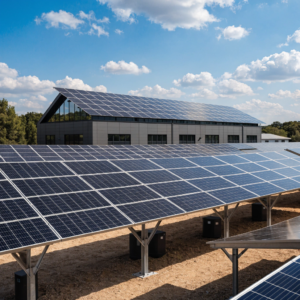
Factory rooftops offer ideal solar installation space, providing substantial energy generation capacity[^5] while utilizing otherwise unused areas without impacting production floor operations or expansion plans.
Optimizing Rooftop Real Estate for Maximum Energy Output
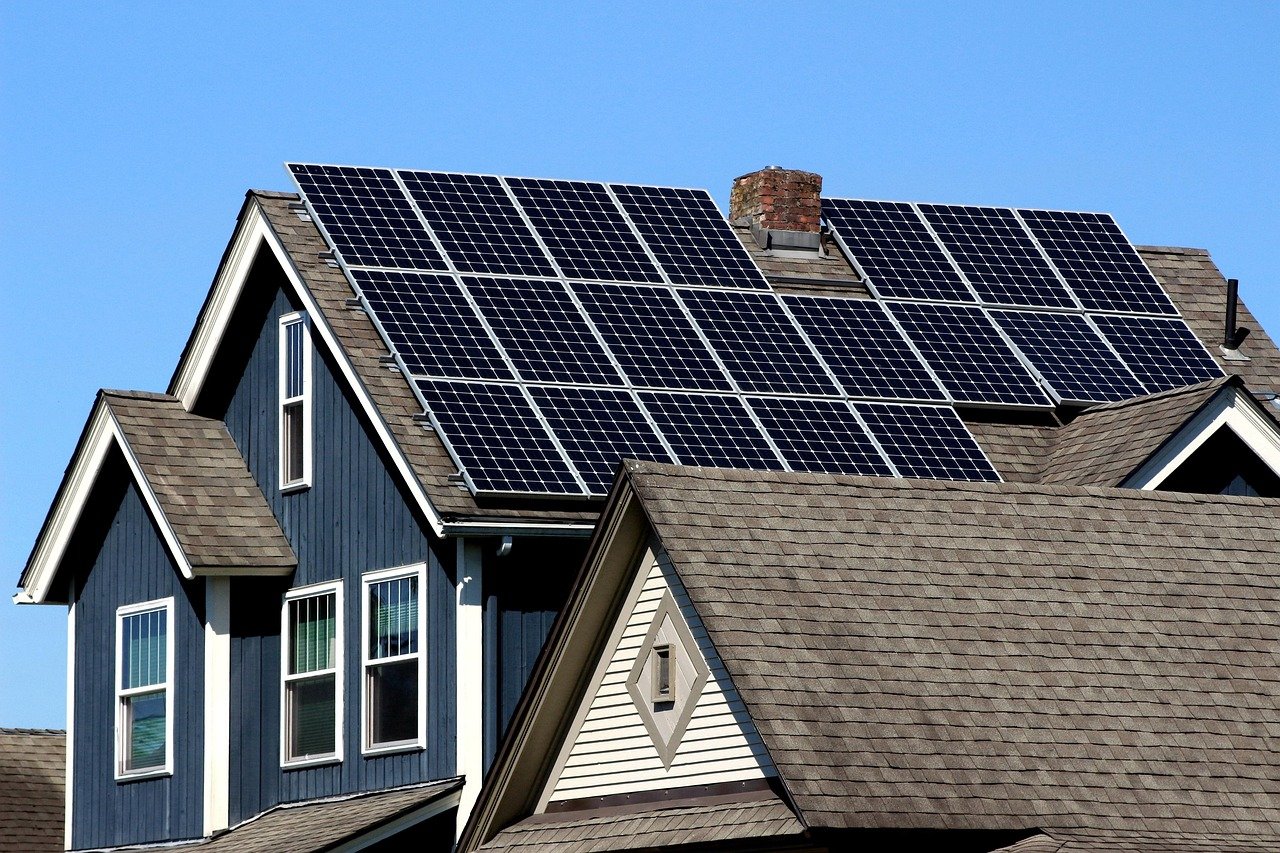
The revelation hit me during a routine roof inspection—acres of unused space bathed in sunlight, essentially free real estate waiting to generate revenue. Factory rooftops typically offer the perfect combination of size, structural integrity, and unobstructed sun exposure that residential installations can only dream of achieving.
Most industrial facilities have robust roof structures designed to handle significant loads, making them ideal candidates for extensive solar arrays. The installation process rarely disrupts operations since work occurs above the production floor. I've seen facilities generate 500kW to multiple megawatts from rooftop installations alone.
Strategic Space Utilization and Future Planning
Smart rooftop solar design considers both current energy needs and future expansion plans. Modular installation approaches allow for phased implementation, spreading costs while maintaining flexibility for facility growth. The key is partnering with experienced installers who understand industrial requirements and local regulations.
| Rooftop Factor | Consideration | Energy Potential |
|---|---|---|
| Available Area | Unobstructed space | 1MW per 4-6 acres |
| Structural Capacity | Load-bearing capability | Determines system size |
| Orientation | South-facing optimal | Maximizes generation |
The financial transformation begins immediately upon activation. Watching your facility generate its own power while reducing utility dependence creates a sense of energy independence[^6] that's both financially and psychologically rewarding.
Conclusion
Factory solar panels deliver dramatic cost reductions, sustainability benefits, and energy independence while maximizing unused rooftop space for long-term competitive advantage.
[^1]: Explore how factory solar panels can significantly reduce operational costs and enhance energy independence.
[^2]: Find out how to boost energy efficiency in your factory operations with innovative solutions.
[^3]: Explore ways to meet sustainability demands while maintaining profitability in manufacturing.
[^4]: Discover the advantages of reducing your carbon footprint and its impact on business.
[^5]: Learn about the potential energy generation capacity of solar panels on factory rooftops.
[^6]: Find out how solar energy can help factories achieve energy independence and reduce utility reliance.