Navigating Global Subsidies: A Factory Owner's Guide to Unlocking Maximum Solar Investment Returns?
•
Problem: Confused by complex global solar subsidies? Agitation: Missing out on massive returns costs manufacturers millions annually. Solution: Strategic subsidy navigation unlocks maximum solar ROI.
Factory owners can maximize solar returns by leveraging location-specific subsidies, tax incentives, and financing programs across different markets while optimizing installation types for industrial applications.

The solar subsidy landscape resembles a complex puzzle where each piece represents potential savings. Smart factory owners who decode these incentives transform energy costs into competitive advantages, turning rooftops into revenue streams.
Beyond Rooftops: Exploring Ground-Mounted, Carport & Floating Solar Options for Industrial Sites?
Industrial sites offer diverse solar installation opportunities beyond traditional rooftops, each with unique subsidy implications and ROI potential.
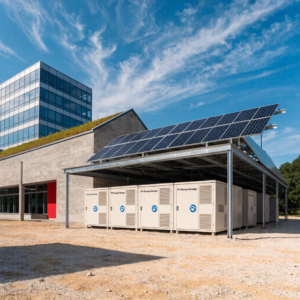
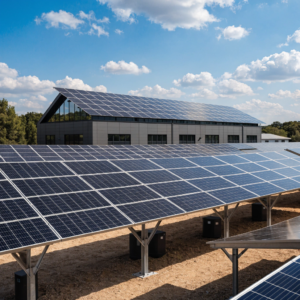
Ground-mounted, carport, and floating solar systems provide alternative installation options for factories with specific land constraints, offering distinct financial incentives and operational benefits.
Understanding Installation-Specific Incentives
When I first explored beyond rooftop installations, I discovered that different mounting systems unlock unique subsidy opportunities. Ground-mounted systems often qualify for agricultural land-use incentives in rural manufacturing zones, while carport installations can tap into transportation infrastructure grants.
The beauty of floating solar lies in its dual benefits—it prevents water evaporation while generating clean energy. Countries like Japan and South Korea offer premium feed-in tariffs for floating installations, recognizing their environmental value.
| Installation Type | Primary Subsidies | Typical ROI Period |
|---|---|---|
| Ground-mounted | Land-use incentives, capacity bonuses | 6-8 years |
| Carport solar | Transportation grants, parking subsidies | 7-9 years |
| Floating solar | Premium feed-in tariffs, water conservation credits | 5-7 years |
Site Assessment and Optimization Strategies
Each installation type requires specific site considerations that impact subsidy eligibility. Ground-mounted systems need adequate land area but offer maximum generation potential. Carports provide dual functionality—parking protection and energy generation—while potentially qualifying for urban development incentives.
The key insight I've gained is that floating systems, despite higher initial costs, often secure the most attractive long-term contracts due to their innovative nature and environmental benefits.
Warehouse to Powerhouse: Maximizing Your Logistic Hub's Roof Space for Peak Solar Performance?
Logistics facilities possess ideal characteristics for solar installations, with large, unobstructed roof spaces perfect for maximizing energy generation and subsidy capture.
Warehouse roofs offer optimal solar real estate with minimal shading, structural capacity for heavy installations, and access to logistics-specific energy incentives and peak demand reduction programs.
Leveraging Logistics-Specific Incentives
The logistics industry faces unique energy challenges that create special subsidy opportunities. Peak demand charges during loading operations can be offset through strategic solar-plus-storage installations, which often qualify for additional grid stabilization incentives.
I've seen warehouse operators reduce energy costs by 70% through smart solar deployment combined with demand response programs. The key is understanding how logistics operations align with energy generation patterns.
Structural Advantages and Design Optimization
Modern warehouse construction provides ideal solar platforms. The large, flat roof surfaces minimize installation complexity while maximizing generation capacity. Structural engineering for logistics facilities typically includes higher load ratings, supporting heavier solar installations without reinforcement costs.
| Facility Type | Avg. Roof Capacity | Potential Incentive Stack | Est. Annual Savings |
|---|---|---|---|
| Distribution center | 500kW+ | Federal ITC + state rebates + utility programs | $80,000-150,000 |
| Cold storage | 300-800kW | ITC + efficiency incentives + demand reduction | $120,000-200,000 |
| Manufacturing | 200-1MW+ | ITC + production credits + environmental grants | $60,000-300,000+ |
The combination of high energy consumption, predictable usage patterns, and substantial roof space makes logistics facilities prime candidates for comprehensive solar incentive programs.
Future-Proofing Your ESG Score: The Indispensable Role of On-Site Solar for Sustainable Manufacturing?
ESG requirements increasingly demand measurable sustainability metrics, making on-site solar installations essential for maintaining competitive manufacturing operations and investor appeal.
On-site solar installations directly improve environmental scores while providing quantifiable sustainability metrics that satisfy ESG reporting requirements and attract sustainable investment opportunities.
ESG Scoring and Solar Investment Alignment
The shift toward ESG-focused investing has created new financial incentives for solar adoption. Manufacturing companies with strong environmental scores access better financing terms, insurance rates, and even preferential supplier agreements.
I've witnessed companies secure sustainability-linked loans with interest rate reductions tied to renewable energy adoption. These financing mechanisms effectively stack additional savings on top of traditional solar subsidies.
Global ESG Reporting Standards and Solar Integration
Different regions emphasize varying ESG metrics, but renewable energy adoption consistently ranks as a top priority. European manufacturers face increasing carbon border adjustments, making on-site generation crucial for maintaining competitiveness.
The reporting benefits extend beyond compliance—detailed energy generation data provides concrete evidence of environmental commitment that resonates with stakeholders and customers alike.
| ESG Framework | Solar Contribution | Financial Impact |
|---|---|---|
| TCFD | Scope 2 emissions reduction | Risk premium reduction |
| GRI Standards | Renewable energy percentage | Investor preference |
| SASB | Energy intensity metrics | Supply chain advantages |
Manufacturing companies that proactively integrate solar installations position themselves advantageously as ESG requirements continue evolving globally.
Conclusion
Strategic navigation of global solar subsidies, combined with optimal installation selection and ESG alignment, maximizes manufacturing investment returns while building sustainable competitive advantages.