Microgrids Made Easy: How Solar-Powered Local Grids Can End Your Community's Power Woes?
•
Microgrids Made Easy: How Solar-Powered Local Grids Can End Your Community's Power Woes?
Problem: Tired of unreliable power cuts disrupting daily life? Agitation: Every blackout means lost productivity and safety concerns. Solution: Solar microgrids offer dependable, community-controlled energy independence.
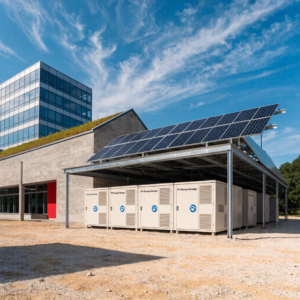
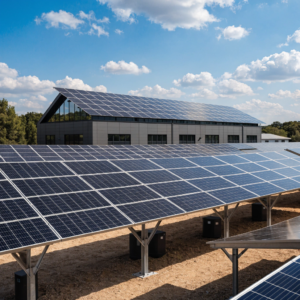
Microgrids are localized energy systems[^1] that can operate independently from the main grid, combining solar panels, battery storage[^2], and smart controls to provide reliable electricity for communities, businesses, and homes.
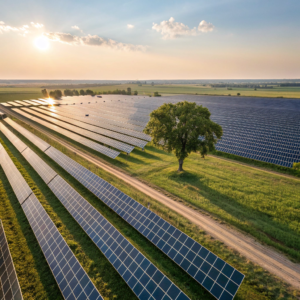
Picture this: while your neighbors struggle with another power outage, your community hums along with lights on, businesses running, and children studying without interruption. That's the transformative power of solar microgrids—and it's more achievable than you might think.
DIY Energy Independence: Step-by-Step Guide to Installing Off-Grid Solar for Reliable Power?
Problem: Complex installation processes intimidate potential adopters. Agitation: Technical barriers delay energy independence[^3]. Solution: Simplified step-by-step guidance makes installation manageable.**
Installing off-grid solar involves four key steps: calculating energy needs, selecting appropriate components (panels, batteries, inverters), installing the system safely, and connecting smart controls for optimal performance.
Planning Your Solar Microgrid System
Starting my first microgrid project felt like assembling a complex puzzle, but breaking it down made everything manageable. First, I calculated our community's energy consumption—lighting, refrigeration, communication devices, and essential appliances. This baseline became our foundation for sizing the entire system.
The beauty of microgrids lies in their scalability. You can start small with a few homes and expand gradually. I learned that proper planning prevents costly mistakes later. Here's what worked for me:
| Planning Phase | Key Considerations | Typical Timeframe |
|---|---|---|
| Energy Audit | Calculate daily consumption patterns | 1-2 weeks |
| Site Assessment | Solar potential, shading analysis | 1 week |
| Component Selection | Panels, batteries, inverters, controls | 2-3 weeks |
Installation Process and Safety Measures
The installation process became my favorite part—watching individual components come together into a functioning system. Safety was paramount; working with electrical systems requires respect and proper precautions. I always recommend professional help for electrical connections, even in DIY projects.
Solar panel mounting proved straightforward with proper tools and weather considerations. Battery installation required ventilation planning and temperature control. The smart controller setup—though initially intimidating—became intuitive once I understood the basic principles of energy management and load balancing.
From Darkness to Opportunity: How Consistent Solar Power Transforms Daily Life and Business?
Problem: Power instability limits economic growth and quality of life. Agitation: Businesses close, students can't study, healthcare suffers. Solution: Reliable solar power enables consistent productivity and development.**
Consistent solar power transforms communities by enabling extended business hours, improving educational outcomes through reliable lighting, supporting healthcare services, and creating new economic opportunities through energy security.
Economic Impact of Reliable Power
I witnessed firsthand how stable electricity transformed our local market. Vendors could operate refrigerated storage, extending product freshness and reducing waste. Small businesses expanded operating hours, increasing revenue potential. The psychological impact was equally profound—hope replaced frustration as people planned long-term investments.
The ripple effects amazed me. Local entrepreneurs started tech-based services, students formed study groups under reliable lighting, and healthcare centers could maintain cold chain storage for medicines. Energy security became the foundation for broader community development.
Social and Educational Benefits
Evening adult literacy classes became possible with consistent lighting. Children's academic performance improved when homework wasn't interrupted by darkness. Community centers transformed into hubs of activity, hosting evening events and workshops that strengthen social bonds.
The transformation felt like watching a community awakening. Reliable power didn't just illuminate buildings—it illuminated possibilities and dreams that darkness had kept dormant.
Reliable Light, Brighter Futures: Powering Homes and Study with Stable Solar Energy?
Problem: Educational and domestic activities suffer from power interruptions. Agitation: Children's learning potential remains unrealized in darkness. Solution: Stable solar systems ensure consistent power for homes and study spaces.**
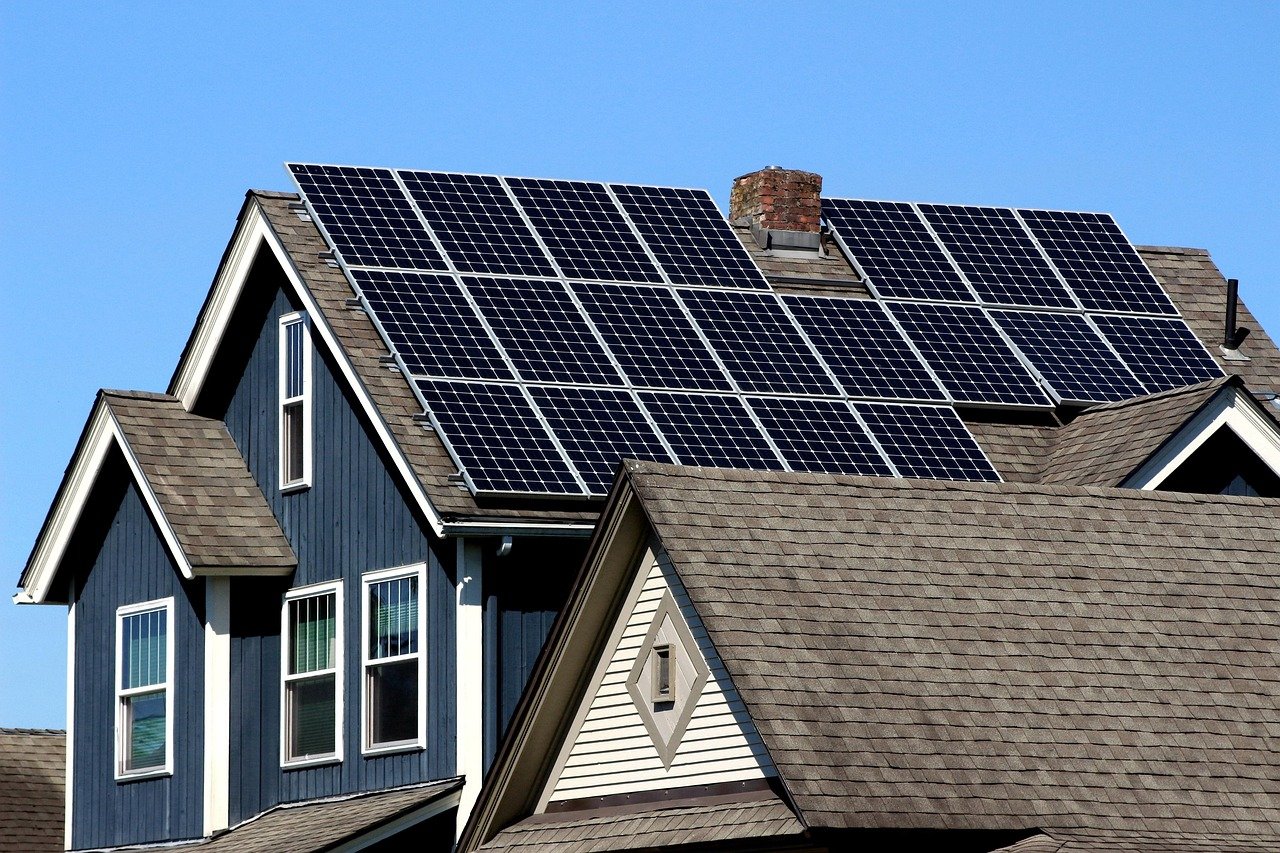
Stable solar energy systems provide consistent power for essential home activities, enable extended study hours for students, support home-based businesses[^4], and improve overall quality of life through reliable electricity access.
Transforming Home Life Through Solar Power
Installing solar power in homes felt like giving families control over their destiny. No more rationing phone battery life or rushing to complete tasks before sunset. Mothers could pump water reliably, fathers could charge tools for work, and children could complete homework regardless of grid failures.
The health benefits surprised me most. Reliable lighting reduced eye strain from inadequate illumination. Electric fans and lighting improved indoor air quality and comfort. Food preservation became possible with small refrigerators, reducing illness from spoiled food and improving nutrition.
Educational Revolution Through Consistent Power
Study groups flourished under reliable LED lighting. I watched test scores improve as students gained consistent access to educational resources. Evening tutoring sessions became standard practice, accelerating learning outcomes across age groups.
Digital literacy expanded as devices stayed charged and internet connectivity remained stable. The knowledge gap between connected and disconnected communities began narrowing as reliable power enabled access to online educational resources and digital tools.
| Educational Benefit | Before Solar | After Solar |
|---|---|---|
| Study Hours | Daylight only | Extended evening hours |
| Digital Access | Limited, unreliable | Consistent connectivity |
| Group Learning | Weather dependent | Year-round availability |
The transformation reminded me that electricity isn't just about convenience—it's about unlocking human potential that darkness keeps hidden.
Conclusion
Solar microgrids[^5] offer communities practical pathways to energy independence, economic growth, and improved quality of life through reliable, sustainable power solutions.
[^1]: Learn about the advantages of localized energy systems in enhancing community resilience.
[^2]: Understand the role of battery storage in maximizing solar energy efficiency.
[^3]: Find out how solar power can lead to greater energy independence for communities.
[^4]: Explore how solar energy can empower home-based businesses with reliable power.
[^5]: Explore how solar microgrids can provide energy independence and reliability for communities.