Hot Spot Effect in PV Modules: A Hidden Efficiency Killer
•
Have you noticed mysterious dark spots on your solar panels? These hot spots could be silently draining your system's performance and damaging your investment.
Hot spots occur when shaded or defective solar cells overheat, potentially reducing panel output by 15-30% and causing permanent damage - but proper system design can prevent them.
Hot spots represent one of the most common yet preventable issues in photovoltaic systems. Understanding their causes and solutions helps protect your solar investment.
What Is the Hot Spot Effect and Why Does It Occur?
What causes certain cells to overheat while others operate normally? The physics behind hot spots reveals critical weaknesses in solar panel design.
Hot spots develop when current flow becomes imbalanced, forcing shaded or damaged cells to dissipate power as heat instead of generating electricity - often reaching 50-80°C above normal operating temperatures.
The Science Behind Hot Spots
-
Root Causes
- Partial shading (leaves, dirt, structures)
- Manufacturing defects (microcracks, soldering issues)
- Cell mismatch (performance variations)
-
Impact Factors Factor Effect on Hot Spot Severity Shading percentage 30% shading → 50% power loss Bypass diode quality Poor diodes worsen imbalance Cell quality Lower-grade cells fail faster -
Progression Timeline
- Stage 1: Minor efficiency loss (reversible)
- Stage 2: Visible discoloration (partially reversible)
- Stage 3: Permanent cell damage (irreversible)
"Hot spots account for nearly 20% of solar panel warranty claims, with repair costs averaging $300-$500 per affected panel" - SolarTech Maintenance Report
How Harmful Is the Hot Spot Effect to Solar Panels?
Are hot spots just a cosmetic issue or a serious threat? The damage extends far beyond surface appearances.
Prolonged hot spots degrade solar cells up to 10x faster than normal aging, potentially reducing panel lifespan from 25 years to just 8-12 years in severe cases.
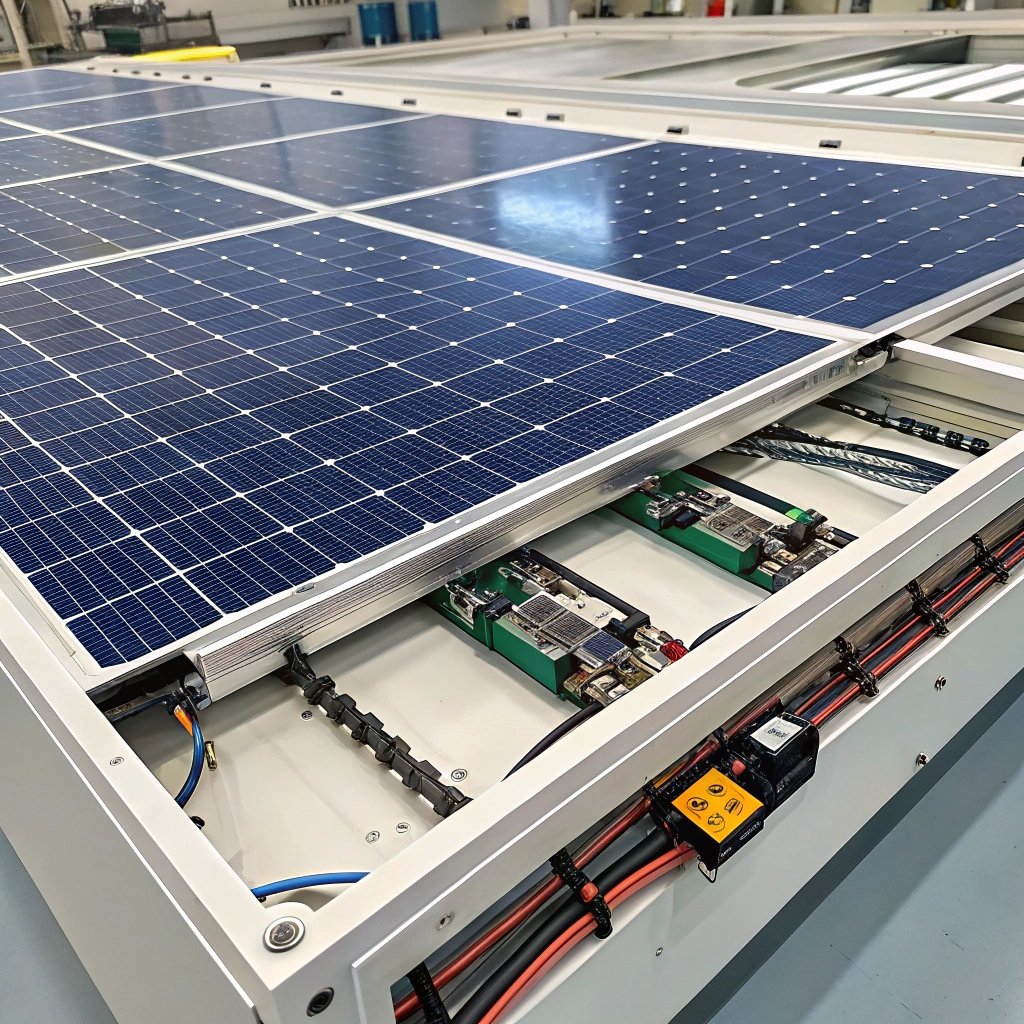
Consequences of Unchecked Hot Spots
-
Performance Impacts
- Immediate power loss (15-30% per affected panel)
- Accelerated degradation (2-4% annually vs 0.5% normal)
- String-level performance drag
-
Physical Damage
- Delamination of cell encapsulation
- Solder bond failures
- Glass cracking from thermal stress
-
Safety Risks Risk Factor Potential Consequence Extreme heat Fire hazard (rare but possible) Electrical arcing System failure Material breakdown Toxic gas release
Critical Finding: Just one severely affected panel can reduce an entire string's output by 20-25% through the "weakest link" effect.
Preventing Hot Spots: Installation and Material Best Practices
Can hot spots be completely avoided? Smart system design and component selection make prevention achievable.
Effective hot spot prevention requires: proper shading analysis, high-quality bypass diodes (3 per standard panel), microinverters/optimizers, and regular infrared inspections every 2-3 years.
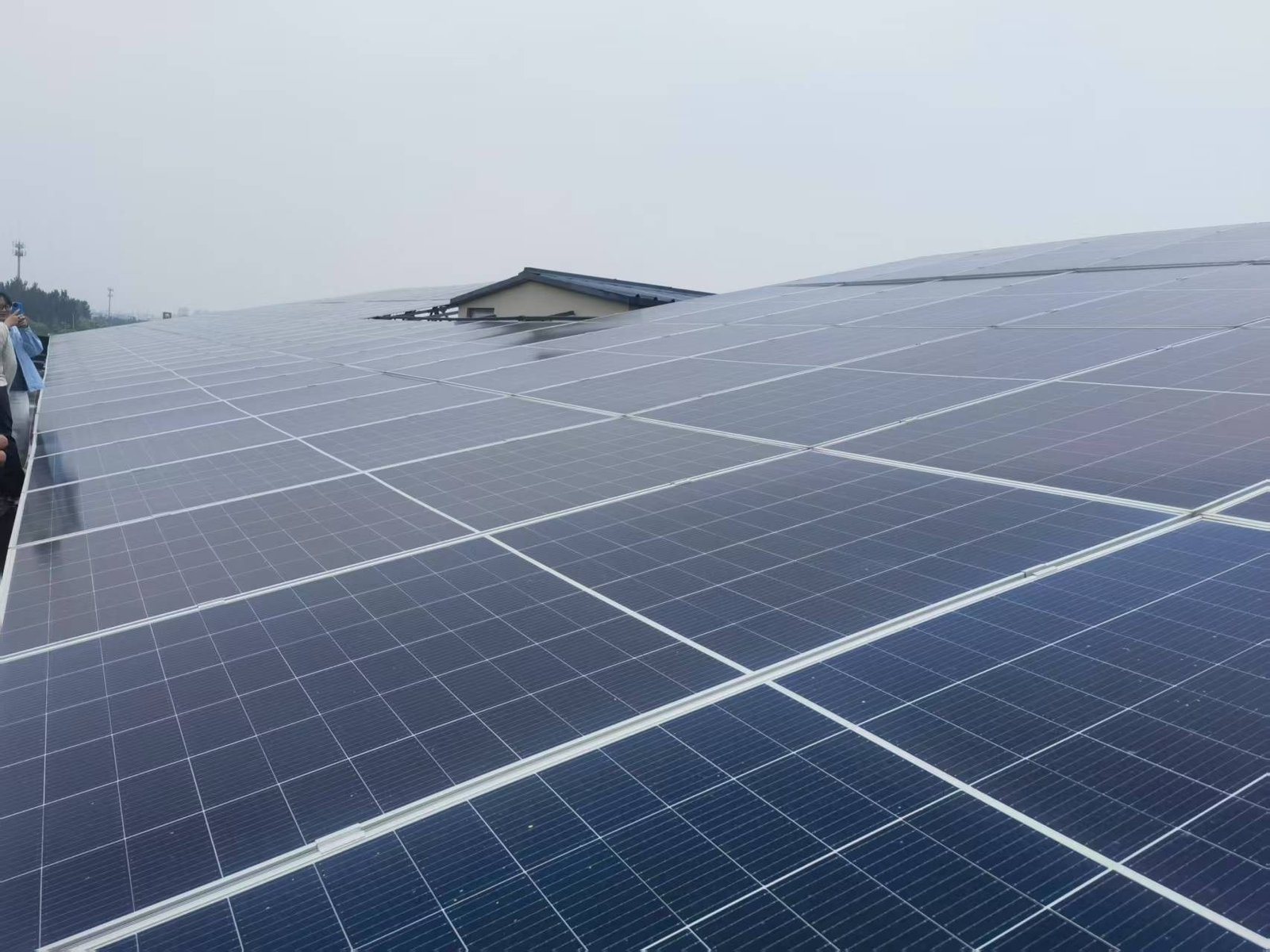
Hot Spot Prevention Strategies
-
Design Solutions
- Panel-level power electronics (microinverters)
- Advanced bypass diodes (Schottky type)
- Careful string configuration
-
Installation Techniques Technique Benefit Optimal tilt Self-cleaning Adequate spacing Airflow cooling Strategic placement Avoid shading -
Maintenance Protocol
- Quarterly visual inspections
- Biannual cleaning
- Annual IV curve testing
- Thermal scans every 2-3 years
Pro Tip: Installing panels with at least 6-inch bottom clearance improves airflow and reduces hot spot risks by 40% compared to flush-mounted installations.
Conclusion
While hot spots pose a genuine threat to solar systems, informed design choices and proactive maintenance can effectively mitigate these hidden efficiency killers.