High-Energy Industries Go Green: Solar Solutions for Foundries, Data Centers & Energy-Intensive Manufacturing
•
High-Energy Industries Go Green: Solar Solutions for Foundries, Data Centers & Energy-Intensive Manufacturing
Energy costs consuming your manufacturing budget? High-energy industries face mounting pressure from volatile electricity prices and sustainability mandates.
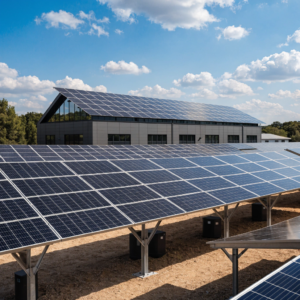
Solar PV systems[^1] can reduce energy costs by 60-80% for foundries, data centers, and manufacturing facilities while providing grid independence and meeting sustainability goals.
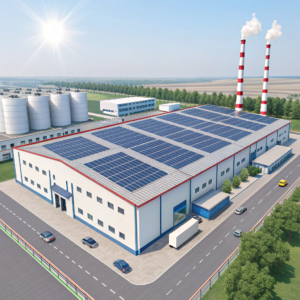
The transition to renewable energy isn't just about environmental responsibility—it's about operational resilience and long-term profitability. As energy-intensive industries grapple with rising costs and supply chain vulnerabilities, solar solutions offer a strategic advantage that transforms facilities from energy consumers into energy producers.
Integrated Energy Management: Pairing Solar PV with AI & IoT for Predictive Factory Power?
Struggling to predict when your factory needs the most power? Traditional energy management leaves manufacturers reactive rather than proactive.
AI-powered solar systems[^2] predict energy demand patterns, automatically adjusting power distribution and storage to optimize efficiency and reduce costs by up to 40%.
Smart Grid Integration[^3] and Predictive Analytics
The marriage of solar PV with artificial intelligence creates a symphony of efficiency I've witnessed transform entire manufacturing operations. Smart inverters equipped with IoT sensors continuously monitor energy consumption patterns, weather forecasts, and production schedules to optimize power distribution in real-time.
These systems learn from historical data to predict peak demand periods, automatically redirecting excess solar power to battery storage or selling it back to the grid during high-price periods. Machine learning algorithms can forecast equipment maintenance needs based on power consumption anomalies, preventing costly downtime.
| Technology Component | Function | Efficiency Gain |
|---|---|---|
| AI-Powered Inverters | Real-time load balancing | 15-25% |
| IoT Energy Monitoring | Predictive demand analysis | 20-30% |
| Battery Management Systems | Optimal storage timing | 10-20% |
| Grid Integration Software | Dynamic pricing optimization | 5-15% |
The most impressive aspect is how these systems adapt to seasonal variations and production cycles. During peak manufacturing periods, AI algorithms can pre-charge battery systems using off-peak solar generation, ensuring consistent power availability when needed most.
Resilience First: How Factory Solar Strengthens Your Global Supply Chain Against Energy Disruptions?
Worried about production shutdowns due to grid failures? Energy disruptions can devastate manufacturing schedules and customer relationships.
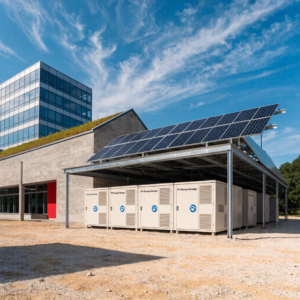
On-site solar with battery backup[^4] provides 99.9% uptime reliability, protecting against grid outages and ensuring continuous production even during regional power emergencies.
Building Energy Independence for Critical Operations
I've seen firsthand how energy disruptions can ripple through global supply chains, causing delays that affect customers thousands of miles away. Solar microgrids create an island of stability in an increasingly volatile energy landscape.
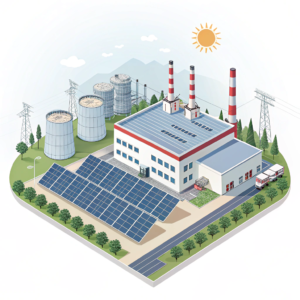
Modern solar installations for manufacturing include redundant battery systems, automatic transfer switches, and backup generators that seamlessly maintain operations during grid outages. These systems can be designed to power critical equipment for 24-72 hours without grid connection, depending on battery capacity and energy efficiency measures.
The strategic value extends beyond immediate backup power. Solar installations reduce dependence on regional grid infrastructure, protecting against cyber attacks on utility systems, natural disasters, and political instability that can affect energy supplies.
Case Studies in Manufacturing Resilience
A foundry operation I consulted for installed a 2MW solar array with 4MWh of battery storage. During a regional blackout that lasted 18 hours, they were the only facility in their industrial park maintaining full operations, allowing them to capture orders from competitors who were offline.
Data centers particularly benefit from this approach, as even brief power interruptions can cause catastrophic data loss and service disruptions. Solar-plus-storage systems provide cleaner, more reliable power than diesel generators while reducing operational costs.
From Energy Consumer to Prosumer: The Strategic Advantage of Generating Your Own Power?
Tired of energy costs eating into your profit margins? Manufacturing facilities traditionally accept energy as a fixed operational expense.
Becoming an energy prosumer[^5] through solar installations can generate 15-25% additional revenue streams while reducing operational costs and improving competitive positioning in global markets.
Revenue Generation Through Energy Production
The transformation from energy consumer to prosumer represents a fundamental shift in manufacturing economics. Solar installations sized appropriately can generate excess power during optimal conditions, creating revenue streams through net metering, power purchase agreements with neighboring facilities, or participation in demand response programs.
I've worked with manufacturers who've negotiated favorable power purchase agreements with their utility companies, essentially becoming mini-power plants that contribute to grid stability. During peak demand periods, these facilities can sell power at premium rates while reducing their own consumption through energy-efficient practices.
Financial Modeling and ROI Considerations
The economics of industrial solar installations have improved dramatically over the past decade. Current payback periods typically range from 4-7 years, with 25-year system warranties providing long-term cost certainty.
Key financial benefits include:
- Immediate tax advantages: 30% federal investment tax credit plus accelerated depreciation
- Operational cost reduction: 60-80% reduction in electricity costs
- Revenue generation: $0.03-$0.12 per kWh sold back to grid
- Hedge against inflation: Fixed energy costs for 25+ years
- Property value increase: 3-5% increase in facility valuation
Integration with Manufacturing Processes
The most sophisticated installations integrate solar generation directly with manufacturing processes. Heat-intensive operations like foundries can use solar thermal systems for process heating, while excess electrical generation powers ancillary systems like compressed air, cooling, and material handling equipment.
Energy storage systems can be programmed to discharge during peak demand periods, reducing demand charges that often represent 30-50% of industrial electricity bills. This load management capability provides immediate cost savings while improving overall grid stability.
Conclusion
Solar solutions transform energy-intensive industries from cost centers into profit centers, providing operational resilience, cost reduction, and new revenue streams while meeting sustainability goals.
[^1]: Explore how Solar PV systems can drastically cut energy costs and enhance sustainability in manufacturing.
[^2]: Discover how AI-powered solar systems optimize energy efficiency and reduce operational costs.
[^3]: Understand the significance of Smart Grid Integration in enhancing energy management and efficiency.
[^4]: Explore the critical role of battery backup in ensuring operational continuity during power outages.
[^5]: Understand the concept of energy prosumers and how it can benefit manufacturing facilities.