Emergency Preparedness: Building a Solar Backup System That Kicks In When the Grid Fails?
•
Emergency Preparedness: Building a Solar Backup System That Kicks In When the Grid Fails?
Problem: Power outages leave families helpless. Agitation: Food spoils, medical devices fail. Solution: Solar backup systems[^1] provide reliable energy independence during emergencies.
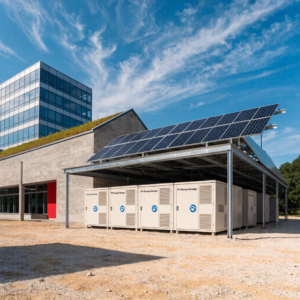
Solar backup systems automatically activate during grid failures, using battery storage and inverters to power essential appliances, ensuring continuous electricity for homes and businesses when the grid goes down.
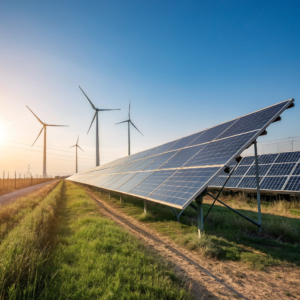
When the lights went out during last winter's ice storm, I watched my neighbors scramble with flashlights and generators while my home remained powered. That's when I truly understood the value of preparation—and why every property owner should consider building a solar backup system that seamlessly takes over when traditional power fails.
Beyond Paying Bills: Turning Your Rooftop Into a Profit Center with Excess Solar Generation?
Problem: High electricity costs drain budgets. Agitation: Bills keep rising yearly. Solution: Solar systems generate income through net metering and energy credits.**
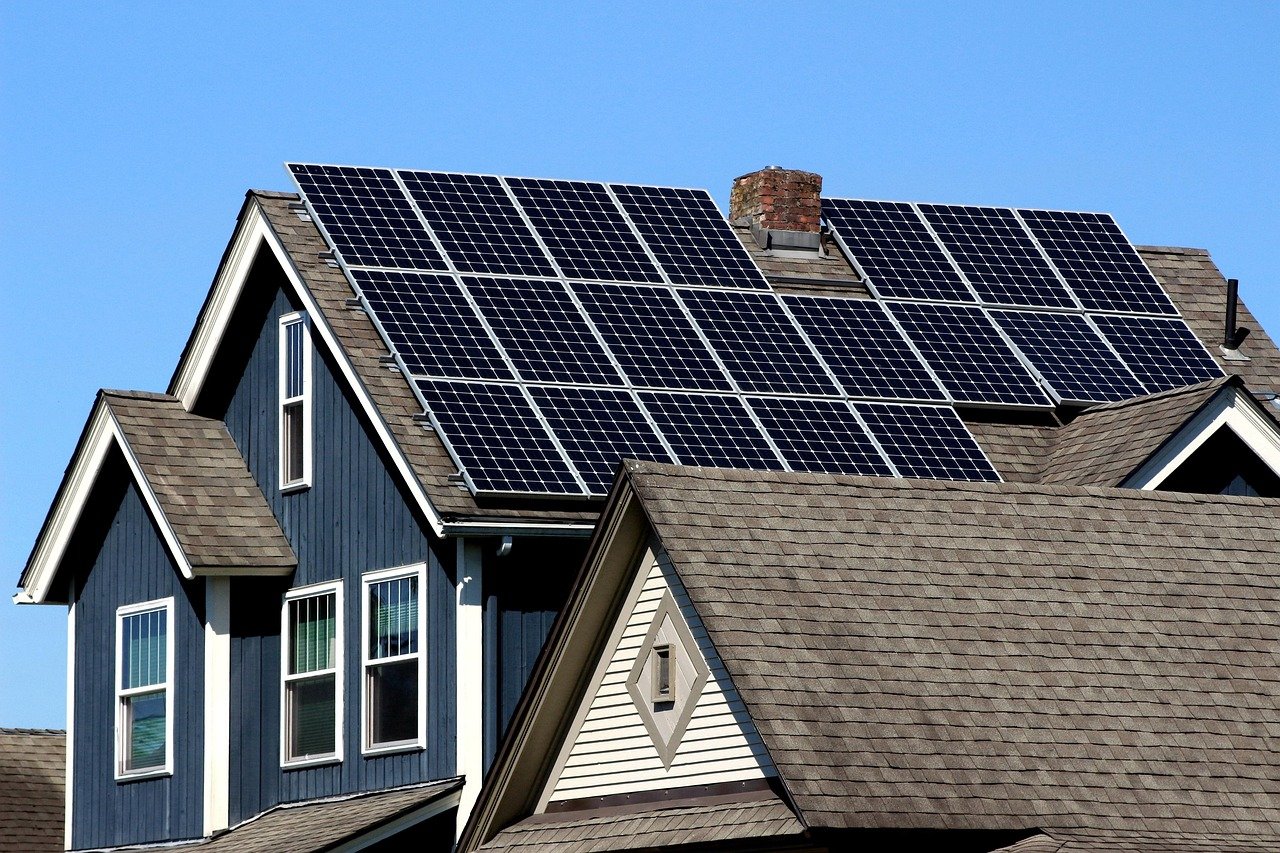
Net metering allows homeowners to sell excess solar energy back to the grid, creating revenue streams that can eliminate electricity bills and generate profits from unused rooftop space.
Maximizing Revenue Through Strategic Solar Design
The key to transforming your roof into a profit center lies in understanding how net metering works and optimizing your system size accordingly. I've seen homeowners who initially installed modest systems later regret not going bigger when they realized their unused roof space was literally money sitting on the table.
Net metering programs vary by location, but the concept remains consistent: when your solar panels produce more electricity than you consume, the excess flows back into the grid, spinning your meter backward and crediting your account. Some utilities even offer premium rates for renewable energy during peak demand periods.
| System Component | Profit Impact | Optimization Strategy |
|---|---|---|
| Panel Capacity | Higher output = more credits | Maximize roof coverage |
| Battery Storage | Store excess for peak rates | Time energy sales strategically |
| Inverter Efficiency | Less energy loss = more profit | Choose high-efficiency models |
The most successful installations I've witnessed combine maximum panel coverage with strategic battery storage, allowing owners to sell energy during peak rate periods while maintaining backup power for emergencies. This dual-purpose approach maximizes both profitability and preparedness.
No More Spoilage: Keeping Food Fresh & Businesses Running with Uninterrupted Solar Refrigeration?
Problem: Power outages cause food spoilage and business losses. Agitation: Thousands in damage within hours. Solution: Solar-powered refrigeration maintains cold chains independently.**
Solar refrigeration[^2] systems use dedicated panels and batteries to power freezers and coolers continuously, preventing food spoilage and maintaining business operations during extended power outages.
Designing Reliable Cold Chain Protection
Having experienced the heartbreak of losing an entire freezer's worth of food during a three-day outage, I can't emphasize enough how crucial dedicated solar refrigeration becomes. The secret isn't just having solar panels—it's engineering a system specifically calculated for your cold storage needs.
Modern solar refrigeration systems require careful load calculations. A standard household refrigerator consumes 150-400 watts continuously, while freezers typically use 100-300 watts. However, these appliances cycle on and off, so your actual daily consumption might be 1-3 kWh per appliance.
For businesses, the stakes are even higher. Restaurants, grocery stores, and medical facilities can lose thousands of dollars worth of inventory in just hours. I've worked with several commercial clients who now consider solar-powered cold storage as essential as insurance.
| Appliance Type | Daily Energy Need | Recommended Battery Capacity |
|---|---|---|
| Standard Refrigerator | 1.5-2 kWh | 4-6 kWh |
| Chest Freezer | 1-1.5 kWh | 3-4 kWh |
| Commercial Cooler | 5-10 kWh | 15-20 kWh |
The most effective approach involves installing a separate solar circuit dedicated to refrigeration, complete with its own battery bank and charge controller. This ensures that even if your main system experiences issues, your food stays cold.
Invest in Your Future: Why Solar is the Smartest Long-Term Financial Decision for Your Property?
Problem: Energy costs continue rising indefinitely. Agitation: Traditional investments can't match solar returns. Solution: Solar provides guaranteed 20-year returns while increasing property values.**
Solar installations typically provide 6-10% annual returns through energy savings, tax incentives, and property value increases, making them one of the most reliable long-term investments available.
Understanding Solar's Financial Advantages
After analyzing countless solar installations over the past decade, I've consistently found that properly designed systems outperform most traditional investments. Unlike stocks or bonds, solar provides predictable, tax-free returns while protecting against inflation and rising energy costs.
The financial benefits begin immediately through federal tax credits (currently 30% through 2032), state incentives, and utility rebates. Many homeowners recover 50-70% of their initial investment in the first year alone through these programs.
Long-term value creation extends beyond energy savings. Properties with solar installations consistently sell faster and for higher prices than comparable homes without solar. Studies show an average property value increase of $15,000-$20,000 for typical residential systems.
| Financial Benefit | Timeline | Typical Value |
|---|---|---|
| Federal Tax Credit | Year 1 | 30% of system cost |
| Energy Savings | Monthly | $100-300+ |
| Property Value Increase | Immediate | $15,000-20,000 |
| Warranty Protection | 20-25 years | Equipment replacement coverage |
The compound effect becomes even more impressive when you consider that solar panels continue producing electricity for 25-30 years with minimal maintenance, while utility rates typically increase 2-3% annually. By year 10, most homeowners are saving significantly more per month than their original calculations projected.
Smart investors also recognize solar's inflation hedge properties. While traditional investments fluctuate with market conditions, solar provides predictable returns that actually improve as energy costs rise.
Conclusion
Solar backup systems[^1] provide emergency power, generate income through excess production, protect food supplies, and offer superior long-term investment returns for prepared property owners.
[^1]: Explore how solar backup systems can ensure energy independence and reliability during emergencies.
[^2]: Find out how solar refrigeration systems can protect your food supply during power outages.