Customized Photovoltaic Systems: Creating Optimal Energy Configurations for Customers?
•
Customized Photovoltaic Systems: Creating Optimal Energy Configurations for Customers?
Struggling to find a solar solution that fits your unique energy needs? Customized photovoltaic systems[^1] could be your answer.
Customized photovoltaic systems[^1] tailor solar solutions to individual energy requirements, optimizing efficiency and cost-effectiveness by selecting precise components and configurations for each customer's specific situation.
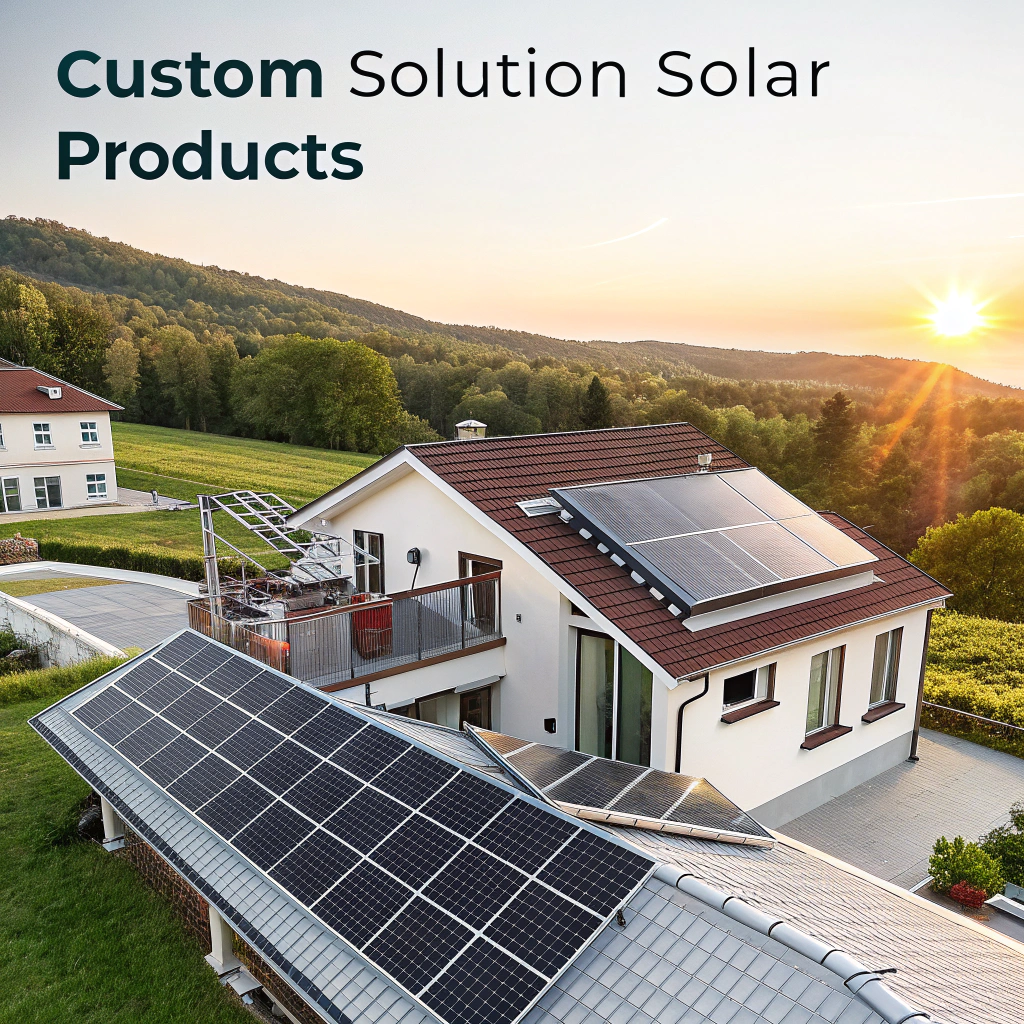
The journey from understanding your energy needs to installing a perfectly tailored solar system involves several critical steps. Let’s explore how customization can transform your solar experience.
From Components to Inverters: Key Links in Customized Design?
Ever wondered how each part of a solar system contributes to its overall performance?
Customized design hinges on selecting the right components—solar panels[^2], inverters[^3], and batteries—matched to the customer’s energy consumption patterns, roof space, and budget, ensuring maximum efficiency and longevity.
Breaking Down the Components
-
Solar Panels:
- Monocrystalline: High efficiency, ideal for limited space.
- Polycrystalline: Cost-effective, suitable for larger areas.
- Thin-Film: Flexible but less efficient, perfect for unconventional surfaces.
-
Inverters:
- String Inverters: Economical for uniform roof layouts.
- Microinverters[^3]: Optimize output for shaded or complex roofs.
- Hybrid Inverters: Integrate battery storage seamlessly.
-
Batteries:
- Lead-Acid: Affordable but shorter lifespan.
- Lithium-Ion: Higher cost, longer life, and better efficiency.
| Component | Best For | Trade-offs |
|---|---|---|
| Monocrystalline | Small roofs, high efficiency | Higher cost |
| Microinverters[^3] | Shaded roofs | More expensive per panel |
| Lithium-Ion | Long-term savings | Upfront investment |
Design Considerations
- Roof Orientation: South-facing roofs (in the Northern Hemisphere) yield optimal output.
- Energy Audit: Analyzing past bills to size the system accurately.
- Future-Proofing: Allowing for expansion if energy needs grow.
Case Sharing: Personalized Solutions for Different Customers?
What does customization look like in real-world scenarios?
Case studies reveal how tailored solar solutions address diverse needs—from residential homes with limited space to industrial facilities with high energy demands—demonstrating flexibility and ROI.
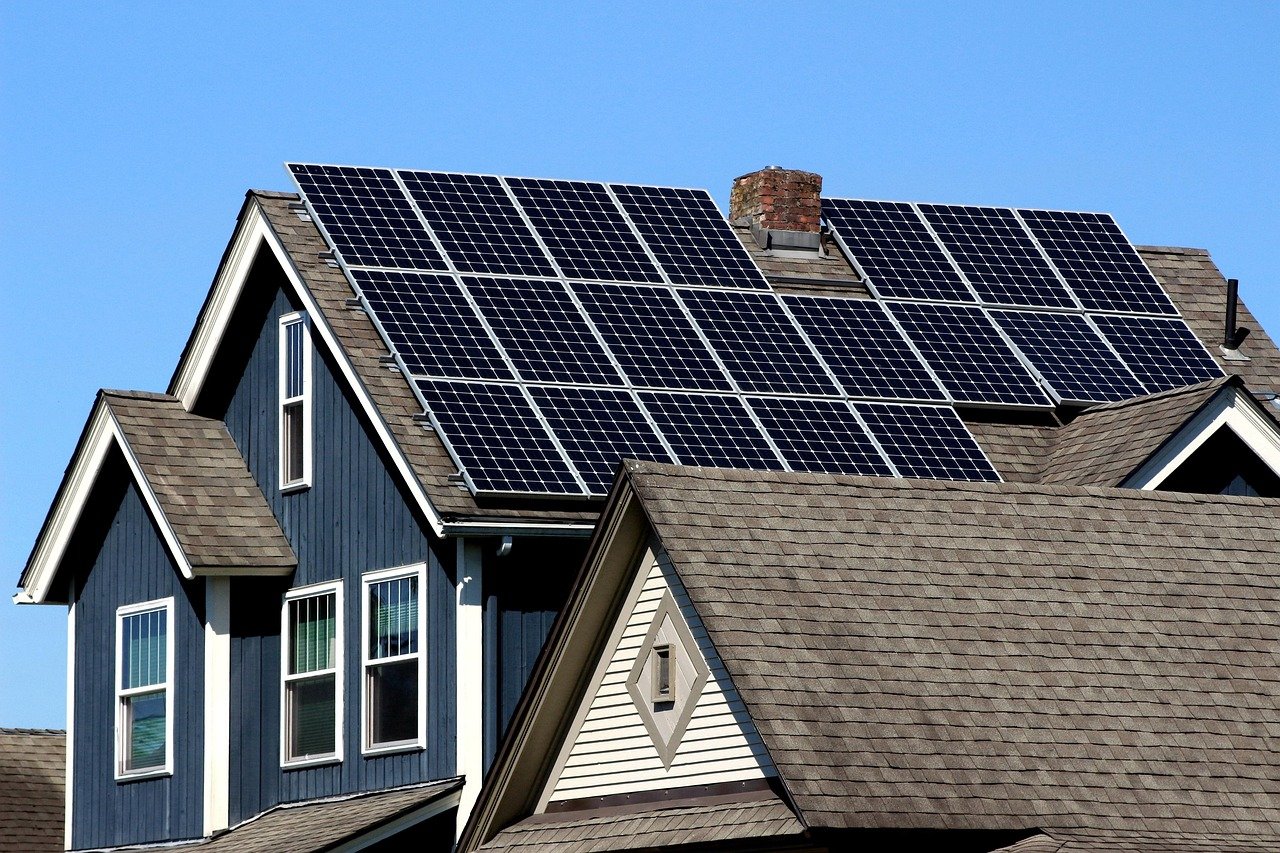
Residential Example: The Suburban Home
- Challenge: Limited roof space, high energy bills.
- Solution: 12 monocrystalline panels[^4] + microinverters[^3].
- Outcome: 90% energy offset, payback in 6 years.
Commercial Example: The Factory
- Challenge: High daytime consumption, expensive grid power.
- Solution: 200 polycrystalline panels + hybrid inverter + battery.
- Outcome: 40% cost savings, backup during outages.
Off-Grid Example: The Rural Clinic
- Challenge: No grid access, critical power needs.
- Solution: Thin-film panels + lithium-ion battery[^5] bank.
- Outcome: 24/7 reliable power, zero diesel dependence.
Why Choose Chinese Suppliers for Photovoltaic System Customization?
Are Chinese manufacturers the secret to affordable, high-quality solar systems?
Chinese suppliers[^6] offer competitive pricing, advanced technology, and scalable production, making them a top choice for customized solar solutions without compromising on quality or innovation.
Advantages of Sourcing from China
- Cost-Effectiveness: Economies of scale reduce panel and inverter costs by 20–30%.
- Technology Leadership: Pioneers in PERC, bifacial, and smart inverters[^3].
- Customization Capabilities: Willingness to tweak designs (e.g., panel wattage, frame colors).
Potential Challenges
- Shipping Times: 4–8 weeks for delivery; plan ahead.
- Quality Variances: Vet suppliers via certifications (TÜV, UL).
Pro Tip: Partner with local installers who source from China to blend cost savings with regional expertise.
Conclusion
Customized photovoltaic systems[^1] maximize energy savings by aligning technology with individual needs—whether residential, commercial, or off-grid—with Chinese suppliers[^6] offering a compelling mix of affordability and innovation.
[^1]: Explore this link to understand how customized photovoltaic systems can optimize energy efficiency and cost-effectiveness.
[^2]: Learn about different solar panel types and their benefits to choose the best fit for your energy needs.
[^3]: Discover the various types of solar inverters and how they impact the performance of your solar system.