Attract Eco-Conscious Customers: How Solar Power Positions Your Business as a Sustainable Leader?
•
Attract Eco-Conscious Customers: How Solar Power Positions Your Business as a Sustainable Leader?
Problem: Rising energy costs and environmental concerns plague modern businesses. Agitation: Customers increasingly choose eco-friendly companies. Solution: Solar power transforms your business into a sustainability leader.
Solar power positions businesses as sustainable leaders by reducing carbon footprint[^1], cutting energy costs, and demonstrating environmental commitment to attract eco-conscious customers[^2] who prioritize green practices in purchasing decisions.
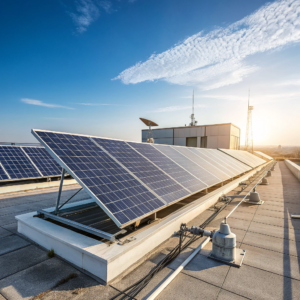
When I first considered solar for my business, I was skeptical about the investment. But witnessing competitors gain customer loyalty through green initiatives made me realize I was missing a crucial opportunity. Today's consumers don't just buy products—they support values. Let me share how solar power can transform your business reputation and bottom line simultaneously.
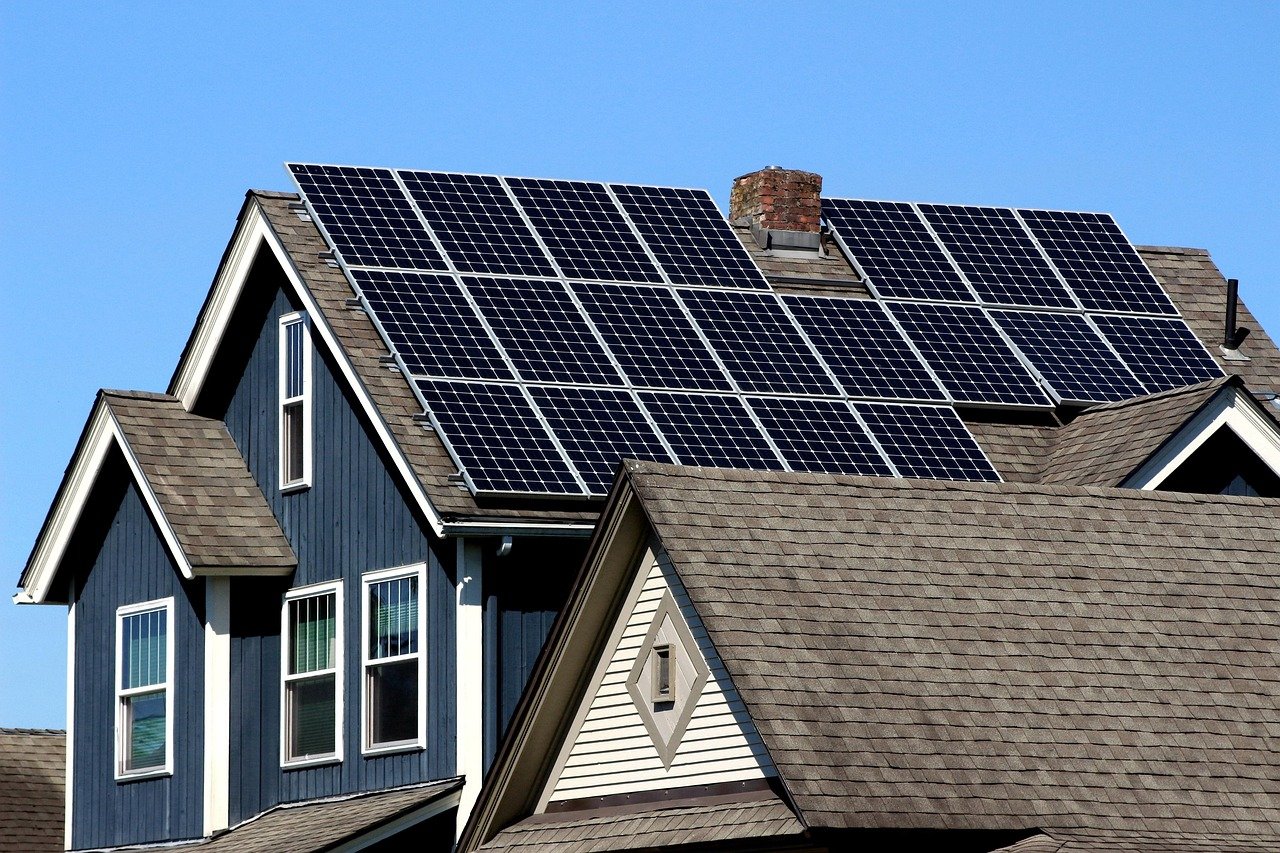
Your Roof, Your Power Plant: How Can Smart Solar Placement Maximize Self-Consumption?
Problem: Grid dependency drains profits through rising utility fees. Agitation: Every kilowatt purchased reduces your margins. Solution: Strategic solar placement creates instant savings.
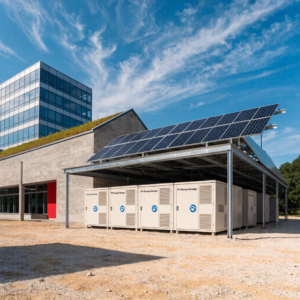
Smart solar placement maximizes self-consumption by positioning panels for optimal sun exposure, utilizing battery storage systems[^3], and implementing load management to reduce grid dependency and minimize electricity fees.
Understanding Solar Self-Consumption Optimization
The art of maximizing self-consumption starts with understanding your energy usage patterns. I remember analyzing our facility's consumption data and discovering we used 60% of our power during peak sunlight hours—perfect for solar optimization.
Strategic panel placement involves considering roof orientation, shading factors, and seasonal sun angles. South-facing installations typically yield 25-30% more energy than east or west orientations. But here's where it gets interesting: combining different orientations can actually smooth out production curves throughout the day.
Battery integration amplifies self-consumption rates from typical 30-40% to over 80%. Smart energy management systems automatically prioritize solar power for immediate use, store excess in batteries, and only draw from the grid when necessary.
| Optimization Strategy | Self-Consumption Rate | Grid Fee Reduction |
|---|---|---|
| Basic solar installation | 30-40% | 15-25% |
| Smart placement + storage | 60-80% | 40-60% |
| Full optimization system | 80-95% | 60-80% |
Real-Time Energy Insights: How Can Monitoring Transform Your Power Production Strategy?
Problem: Solar systems operate as black boxes without visibility. Agitation: You're missing optimization opportunities and potential issues. Solution: Real-time monitoring provides actionable insights.
Real-time energy monitoring transforms solar strategy through smartphone apps that track production, identify performance issues, calculate savings, and optimize consumption patterns for maximum efficiency and cost reduction.
The Power of Data-Driven Solar Management
Modern solar monitoring feels like having a personal energy consultant in your pocket. When I installed our first monitoring system, I was amazed to discover our panels were underperforming by 15% due to partial shading I hadn't noticed.
Advanced monitoring platforms provide granular insights: individual panel performance, weather impact analysis, and predictive maintenance alerts. These systems identify issues before they become costly problems—like detecting inverter malfunctions that could reduce system output by 20-30%.
The financial transparency is game-changing. Real-time cost comparisons show exactly how much you're saving versus grid electricity, often motivating behavioral changes that increase self-consumption. I've seen businesses shift energy-intensive operations to peak production hours, maximizing their solar investment.
Performance benchmarking against similar installations reveals optimization opportunities. Cloud-based analytics can suggest improvements like panel cleaning schedules or system upgrades that enhance output by 5-15%.
| Monitoring Feature | Business Benefit | ROI Impact |
|---|---|---|
| Performance tracking | Early issue detection | 10-20% savings |
| Financial analytics | Cost optimization | 15-25% efficiency |
| Predictive maintenance | Prevents downtime | 20-30% uptime |
Set It and Forget It: How Reliable Are Today's Advanced Solar Arrays?
Problem: Business owners worry about maintenance headaches and system failures. Agitation: Complex systems often require constant attention and expensive repairs. Solution: Modern solar technology delivers decades of hands-off operation.
Advanced solar arrays offer low-maintenance, high-output performance through durable materials, automated cleaning systems[^4], and 25-year warranties, providing reliable energy generation with minimal intervention requirements.
The Evolution to Maintenance-Free Solar Technology
The transformation in solar reliability over the past decade has been remarkable. When I compare today's systems to early installations, it's like comparing a smartphone to an old flip phone—the technology has evolved dramatically.
Modern panels feature tempered glass construction and anti-reflective coatings that resist weather damage and maintain efficiency for decades. Micro-inverters eliminate single-point failures that plagued older string systems, ensuring individual panel issues don't compromise entire arrays.
Self-cleaning technologies and hydrophobic coatings reduce maintenance requirements significantly. Rain naturally cleans properly angled panels, while automated cleaning systems handle stubborn debris in dusty environments. I've witnessed installations operating at 95% efficiency after five years with minimal intervention.
Monitoring systems provide predictive maintenance capabilities, alerting you to potential issues before they impact production. Warranty coverage has expanded to 25 years for panels and 10-20 years for inverters, demonstrating manufacturer confidence in system longevity.
The financial predictability is invaluable for business planning. Fixed energy costs for decades provide budget certainty while utility rates continue climbing. Performance degradation is minimal—typically less than 0.5% annually—ensuring consistent returns throughout the system's lifespan.
| Reliability Factor | Traditional Systems | Advanced Arrays |
|---|---|---|
| Annual maintenance hours | 20-40 | 2-5 |
| System availability | 90-95% | 98-99% |
| Performance degradation | 0.8%/year | 0.3%/year |
Conclusion:
Solar power[^5] establishes environmental leadership, reduces costs, and attracts eco-conscious customers while providing reliable, low-maintenance energy solutions for forward-thinking businesses.
[^1]: Discover the importance of reducing carbon footprints and how it can benefit your business reputation.
[^2]: Gain insights into the preferences of eco-conscious customers and how to meet their expectations.
[^3]: Explore how battery storage systems can enhance solar energy usage and savings.
[^4]: Explore the technology behind automated cleaning systems and their benefits for solar efficiency.
[^5]: Explore how solar power can enhance your business's sustainability and attract eco-conscious customers.