Application and Value of Solar-Powered Traffic Signs
•
Application and Value of Solar-Powered Traffic Signs
Ever wondered how solar-powered traffic signs[^1] are revolutionizing road safety and efficiency? These innovative solutions are transforming urban mobility while cutting energy costs.
Solar-powered traffic signs enhance road safety and reduce energy costs by harnessing renewable solar energy, offering reliable operation even during power outages, and requiring minimal maintenance compared to traditional electrical signs.
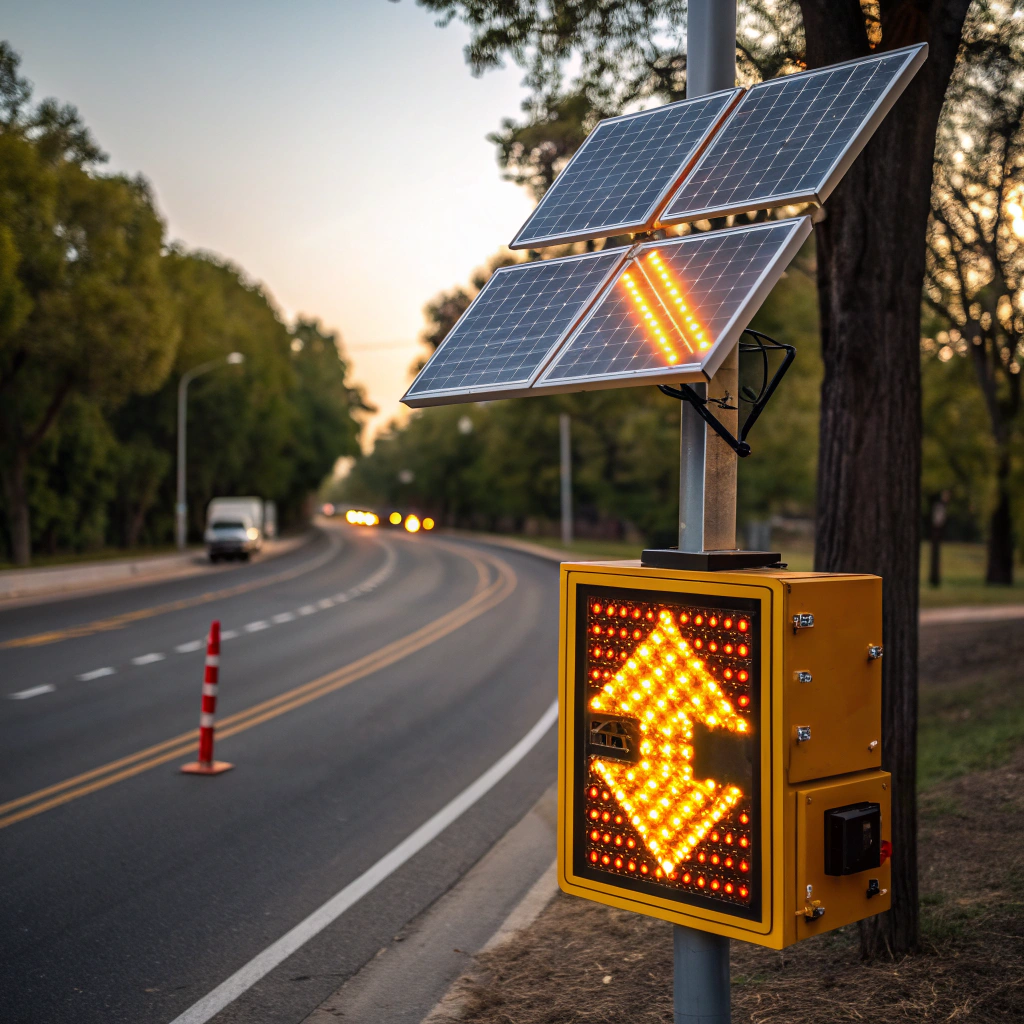
As cities worldwide push for smarter, greener infrastructure, solar traffic signs have emerged as a key component in modern transportation systems. But what makes them truly valuable? Let's explore their multifaceted benefits and applications.
Role of Solar-Powered Traffic Signs in Intelligent Transportation
Why are solar traffic signs becoming indispensable in smart city planning?
Solar-powered signs serve as critical components in intelligent transportation systems[^2] by providing energy-independent[^3], real-time traffic management solutions that improve road safety and reduce municipal energy expenditures.
Integration with Smart City Infrastructure
Solar traffic signs seamlessly connect with IoT-enabled transportation networks through:
| Feature | Benefit |
|---|---|
| Wireless connectivity | Enables remote updates[^4] and real-time adjustments |
| Battery storage | Ensures 24/7 operation regardless of weather conditions |
| LED technology[^5] | Provides superior visibility with minimal energy consumption |
These signs form a self-sustaining ecosystem that:
- Automatically adjusts brightness based on ambient light
- Integrates with traffic monitoring systems
- Provides data for traffic flow optimization
Energy-Saving and Safety Advantages of Solar Solutions Compared with Traditional Traffic Signs
What makes solar signs outperform conventional electrical signs in both efficiency and safety?
Solar traffic signs eliminate electrical wiring costs, reduce energy consumption by 100%, and maintain operation during power outages, while their high-visibility LED displays enhance driver awareness and reaction times.
Cost and Safety Breakdown
The advantages become clear when examining key metrics:
Installation:
- Solar: No trenching or electrical permits needed
- Traditional: Requires extensive wiring and utility coordination
Operational Costs:
- Solar: $0 energy costs after installation
- Traditional: $200-$500 annually in electricity per sign
Safety Performance:
- Solar signs maintain 95% visibility in blackout conditions
- Traditional signs have 40% failure rate during power outages
Application Cases of Solar-Powered Traffic Signs in Different Road Scenarios
Where do solar traffic signs deliver the most impact across transportation networks?
Solar-powered signs excel in remote areas, school zones, construction sites, and emergency situations where reliable, off-grid operation[^6] is crucial for maintaining traffic flow and pedestrian safety.
Scenario-Specific Solutions
Rural Roadways:
- Eliminate costly grid extensions
- Withstand extreme weather conditions
- Provide consistent warning for animal crossings
Urban Challenges:
- Temporary construction zones
- Pedestrian crosswalk enhancements
- Emergency detour routing during disasters
Special Applications:
- Mobile work zone trailers
- Temporary event traffic control
- Disaster recovery operations
Conclusion
Solar-powered traffic signs deliver sustainable, cost-effective traffic management solutions that enhance safety while reducing energy consumption and maintenance burdens across diverse road environments.
[^1]: Explore how solar-powered traffic signs enhance road safety and efficiency while reducing energy costs.
[^2]: Learn about the role of intelligent transportation systems in modern urban planning and traffic management.
[^3]: Discover the significance of energy independence in traffic management and its impact on road safety.